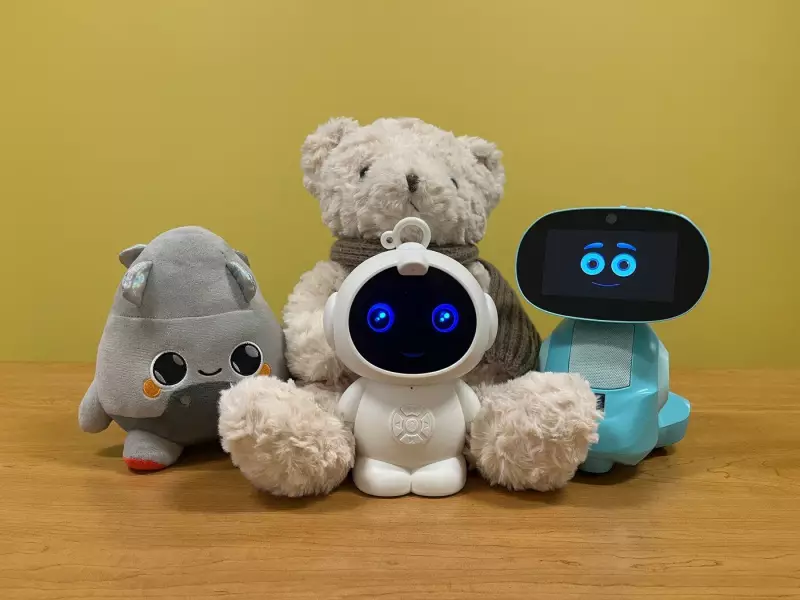
Canadian parents are being urged to exercise caution when shopping for holiday gifts this year, as consumer advocacy groups raise significant concerns about artificial intelligence-powered toys. The warning comes amid growing evidence that these high-tech playthings may pose serious privacy and security risks to children and families.
Privacy Concerns Take Center Stage
Advocacy organizations including the Public Interest Research Group (PIRG) have conducted extensive testing on popular AI-enabled toys. Their findings reveal troubling data collection practices that could compromise children's privacy. Many of these toys collect and store sensitive information without adequate security measures or transparent privacy policies.
The research, published on November 20, 2025, demonstrates how these devices often record conversations, track behavior patterns, and gather personal data that could be vulnerable to breaches or misuse. Consumer advocates emphasize that parents may be unaware of the extent to which these toys monitor their children's activities and interactions.

What Parents Need to Know
Experts recommend that parents carefully review privacy settings and data collection policies before purchasing any connected toys. Look for products that clearly explain what data is collected, how it's used, and whether it's shared with third parties. Additionally, consumers should verify whether the toy manufacturer has experienced any previous data security incidents.
Many AI toys require internet connectivity to function, creating potential entry points for unauthorized access to home networks. Security researchers have documented cases where poorly secured smart toys have been hacked, allowing strangers to communicate with children through the devices.
Safer Alternatives for Holiday Shopping
Consumer advocates suggest considering traditional toys that don't require internet connectivity or data collection. For parents who still want to purchase tech-enabled toys, they recommend thoroughly researching each product and understanding exactly what permissions and access the toy requires.
The timing of these warnings is particularly significant as the holiday shopping season reaches its peak. With many retailers promoting AI and smart toys as must-have gifts, consumer protection groups want to ensure parents make informed decisions that prioritize safety over novelty.
As technology continues to evolve, advocacy organizations are calling for stronger regulations governing children's connected toys and more transparent labeling about data collection practices. Until such protections are in place, they urge consumers to approach AI-powered toys with healthy skepticism and thorough research.