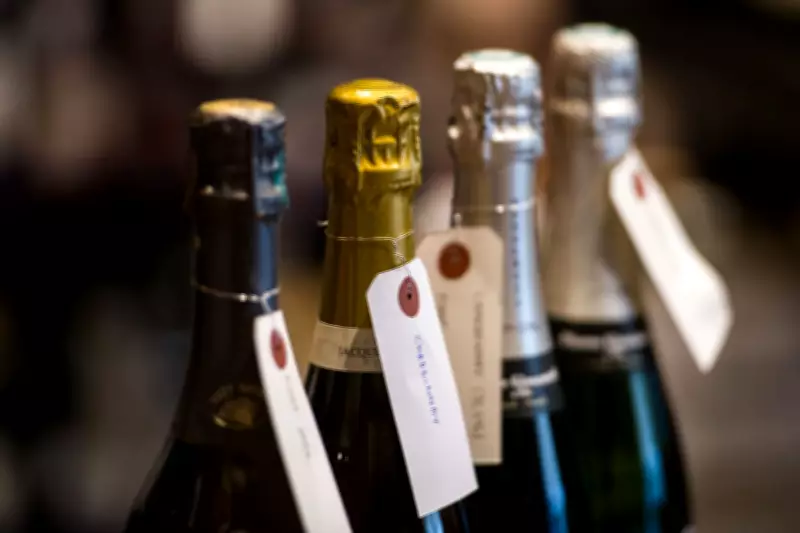
Champagne Sales Sink as Celebrations Wane
Champagne sales have experienced a decline for the second year in a row, reflecting a broader shift in consumer behavior away from celebratory spending. The downturn, reported by industry analysts, highlights challenges for the luxury beverage sector as economic uncertainties and changing social habits impact demand.
According to data from the Comité Champagne, global shipments of Champagne fell by 8% in 2024, following a 5% drop in 2023. This marks the first consecutive annual decline since the early 2000s. Experts attribute the slump to several factors, including rising inflation, reduced disposable income, and a cultural shift toward more modest celebrations.
Economic and Social Factors at Play
Economic pressures have led many consumers to cut back on non-essential purchases, with Champagne often seen as a luxury item reserved for special occasions. Additionally, younger generations are increasingly opting for experiences over material goods, reducing demand for traditional celebratory beverages. The trend is particularly pronounced in key markets such as the United States and Europe, where Champagne consumption has historically been highest.

Industry leaders are concerned about the long-term implications. "Champagne is synonymous with celebration, but if people are celebrating less, we need to adapt," said a spokesperson for a major Champagne house. Some producers are exploring new marketing strategies, including positioning Champagne as an everyday luxury or pairing it with casual dining.
Impact on Producers and Exporters
The decline has hit small and medium-sized producers hardest, as they rely heavily on seasonal sales peaks. In contrast, larger brands with diversified portfolios have been better able to weather the storm. Export volumes to Asia, once a growth market, have also stagnated, partly due to economic slowdowns in China and Japan.
To counteract the trend, some Champagne houses are investing in non-alcoholic versions and lower-priced alternatives to attract budget-conscious consumers. Others are focusing on sustainability and storytelling to differentiate their products in a crowded market. However, the overall outlook remains cautious, with industry forecasts predicting a flat to slightly negative growth trajectory for the next two years.
As consumer preferences evolve, the Champagne industry faces a pivotal moment. Whether it can reinvent itself to match modern attitudes toward celebration and consumption will determine its future resilience.