Renting Out Your Home: Balancing Risk and Reward
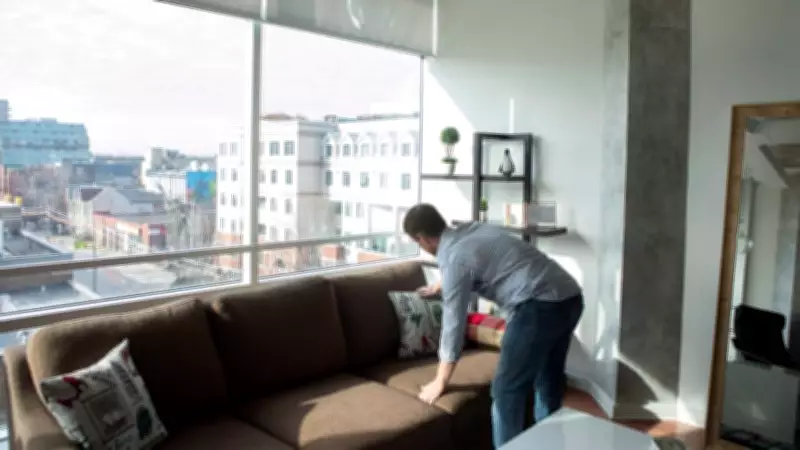
With the rise of short-term rental platforms like Airbnb and Vrbo, many homeowners are considering renting out their properties to earn extra income. However, experts caution that the potential for damage, liability, and regulatory hurdles can outweigh the financial benefits. Kevin Makra, a Toronto Airbnb host, prepares his apartment for guests, highlighting the efforts involved. While the extra cash can be tempting, hosts must be prepared for the risks.
Financial Considerations
According to financial advisors, the average host can earn thousands of dollars per year, but unexpected costs like property damage or legal fees can quickly eat into profits. Insurance is a key factor: standard home insurance policies often exclude short-term rental activities. Hosts should consider specialized insurance or platforms' host protection programs, though these may have limitations.
Legal and Regulatory Risks
Many cities, including Toronto and Vancouver, have strict regulations on short-term rentals, including licensing requirements, occupancy limits, and taxes. Violations can result in fines or legal action. Experts recommend checking local laws and obtaining necessary permits before listing a property.

Screening Guests and Setting Rules
To minimize risks, hosts should screen guests thoroughly, set clear house rules, and require security deposits. Platforms offer tools for verification and review systems, but they are not foolproof. Some hosts use smart devices for monitoring, but privacy concerns must be considered.
The Bottom Line
Renting out your home can be lucrative, but it requires careful planning and risk management. As one expert notes, 'The extra crash may be worth it if you're prepared, but it's not for everyone.' Hosts should weigh the potential income against the time, effort, and financial exposure involved.