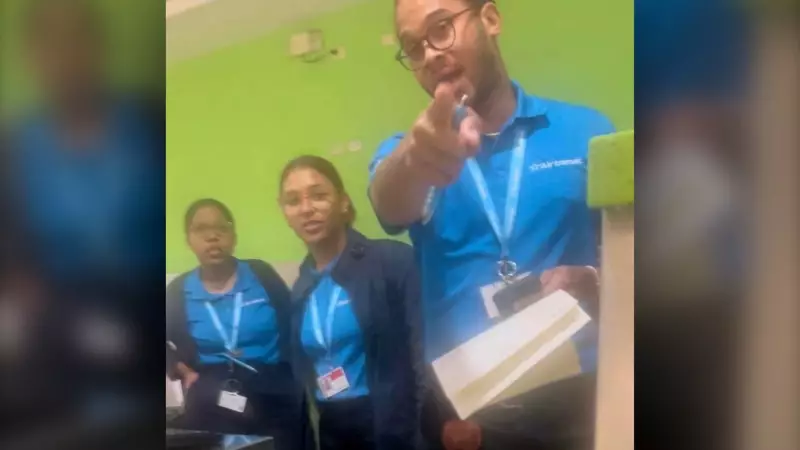
A video recording made by an Ontario couple during a dispute with an Air Transat flight attendant has formed the cornerstone of a strongly worded judicial decision against the airline. The ruling, issued in November 2025, highlights the growing power of consumer documentation in holding corporations accountable.
The Power of Passenger Evidence
The case centered on an interaction between the passengers and an airline staff member. The couple decided to record the encounter, a move that was later commended by the presiding Ontario judge. This video evidence provided an unambiguous account of the event, which proved pivotal in the court's assessment.
The judge's decision was notably critical of Air Transat's conduct. The ruling did not merely side with the passengers but included a scathing rebuke of the airline's handling of the situation, emphasizing a failure to meet expected standards of service and treatment.

A Landmark Decision for Consumer Rights
This ruling is significant for several reasons. It underscores the legitimacy of passengers recording interactions for the purpose of filing a complaint or as evidence in a legal proceeding. The judge's applause for the video suggests that in an era where nearly everyone carries a camera, such evidence can be a powerful tool for justice.
For Air Transat, the decision represents a substantial public relations and legal setback. The scathing nature of the ruling could influence future complaints and lawsuits against the airline, setting a potential precedent for how similar cases are adjudicated.
The incident serves as a stark reminder to all travel and service industries that customer interactions are increasingly subject to real-world scrutiny. The case reinforces that passengers have a right to document their experiences, especially when seeking redress for poor service or unfair treatment.
Broader Implications for the Airline Industry
Beyond the immediate parties involved, this judicial opinion sends a clear message to the entire aviation sector in Canada. It champions transparency and accountability, potentially empowering more travelers to formally challenge unsatisfactory service.
The fact that the ruling was so strongly worded indicates that courts are willing to take a firm stance against corporate practices that disregard passenger welfare. This could lead to more rigorous internal training and policy reviews by airlines aiming to avoid similar public and legal condemnations.
As the news of this decision spreads, it will likely become a referenced case in discussions about consumer protection and passenger rights, marking a notable moment where a personal recording directly influenced a formal legal outcome against a major airline.