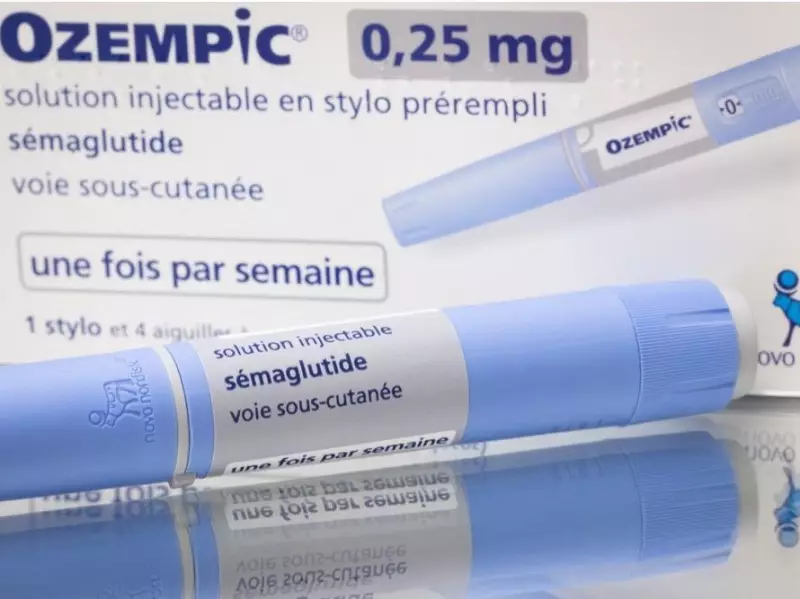
A seismic shift is underway in Canada's food landscape, driven not by economic factors or consumer trends, but by prescription medications. GLP-1 drugs such as Ozempic and Wegovy are fundamentally altering how millions of Canadians eat, drink and shop, creating ripple effects across the entire food industry.
The Scale of Medication-Driven Dietary Change
According to a comprehensive national survey conducted by Dalhousie University's Agri-Food Analytics Lab in partnership with Caddle, approximately two million Canadians are currently using GLP-1 medications strictly for weight loss purposes. This staggering number represents the combined populations of Manitoba and New Brunswick, or every resident of Vancouver, Calgary and Halifax together.
The survey data reveals dramatic behavioral changes among medication users. More than 51% report eating significantly less, while 27% are visiting restaurants less frequently. Nearly 19% have reduced their grocery shopping, indicating a fundamental shift in consumption patterns that challenges traditional food industry assumptions.

$3.3 Billion Annual Impact on Food Economy
The financial implications for Canada's food sector are substantial. Conservative estimates indicate that GLP-1 medications are already removing over $3.3 billion annually from the Canadian food economy. The most affected categories include snacks, baked goods, sugary beverages and alcohol—precisely the high-margin products that drive profitability for retailers and manufacturers.
Survey results show particularly sharp reductions in specific food categories. Purchases of cookies, pastries, candy, chocolate, salty snacks, soft drinks and alcohol have declined between 26% to nearly 40% among GLP-1 users. These consumers report skipping desserts, drinking less alcohol, choosing smaller portions and reducing snacking frequency.
Industry Response and Long-Term Implications
The food industry is already adapting to this new reality. Nestlé launched an entire GLP-1-friendly product line last year, specifically designed for people taking these medications. This represents just the beginning of industry transformation as pharmaceutical companies invest billions in developing new GLP-1 treatments.
The consequences extend throughout the food supply chain. Farmers producing sugar beets, wheat for baked goods, potatoes for snack foods and barley for beer could experience reduced demand. The restaurant industry, already grappling with higher labor costs, faces additional pressure as nearly a quarter of GLP-1 users report drinking less alcohol.
This trend appears sustainable rather than temporary. The survey indicates that 82% of GLP-1 users have been on the medication for more than three months, with most expected to continue treatment for years. The drugs create what researchers describe as a physiological reset of appetite and reward systems, making a return to previous eating habits unlikely.
Strategic Recommendations for Food Industry
Dr. Sylvain Charlebois, director of the Agri-Food Analytics Lab at Dalhousie University, recommends several strategic shifts for food industry stakeholders. Companies should accept that volume growth will not return to pre-GLP-1 levels and abandon the era of pushing larger portions. Aggressive investment in product reformulation—focusing on higher protein, lower sugar, smaller formats and functional ingredients—will become increasingly important.
Restaurants need to fundamentally rethink menu engineering, moving away from the supersize model that dominated previous decades. Policymakers should also recognize that a $3-billion annual reduction in food spending affects tax revenues, employment and rural economies.
While GLP-1 medications provide life-changing benefits for many Canadians, their impact on the food industry represents one of the most significant structural shifts in modern consumption patterns. The food sector now competes with a new force that resides in medicine cabinets across the country.