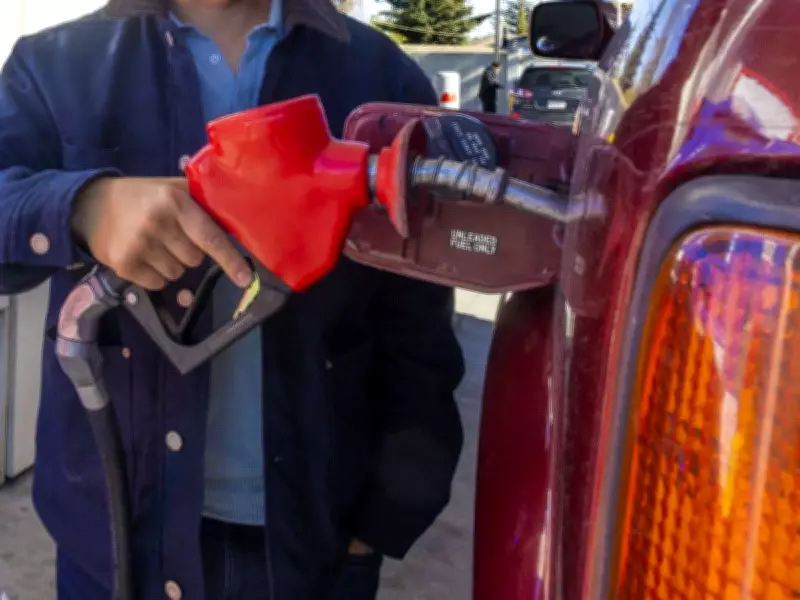
Higher gasoline prices are putting the squeeze on all parts of the economy, with pressure at the pumps blamed for rising inflation in Alberta and across Canada. According to the latest data, overall prices in March 2026 were up 2.3 percent compared to the same period a year earlier, marking a notable uptick in consumer costs.
Gas Prices as the Main Culprit
Economists are pointing the finger at pump prices as the primary reason behind the increase in overall costs. Leslie Preston, managing director and senior economist at Toronto-Dominion Bank, noted that while oil prices have dropped over the past week or so, they are still almost 40 percent higher than a year ago. This sustained elevation in fuel costs is filtering through to other sectors, squeezing consumers and businesses alike.
Impact on the Economy
The rise in inflation has implications for household budgets, as higher transportation and energy costs translate into increased prices for goods and services. The 2.3 percent reading in Alberta surpasses recent trends and has drawn attention from policymakers and market observers. Economists caution that if gas prices remain elevated, further inflationary pressure could emerge in the coming months.

Broader Context
This development comes amid a complex economic landscape, with global oil markets experiencing volatility. While some relief may come from recent price declines, the year-over-year comparison remains stark. For context, the price of crude oil has fluctuated significantly, impacting everything from retail gasoline to heating costs.
Readers can find more detailed analysis and historical graphics on the Calgary Herald's graphics page, including breakdowns of gas costs, tree coverage in Calgary, moisture levels across Alberta, and youth unemployment trends.