Viral HomeGoods Lead Test Video Ignites Widespread Health Concerns
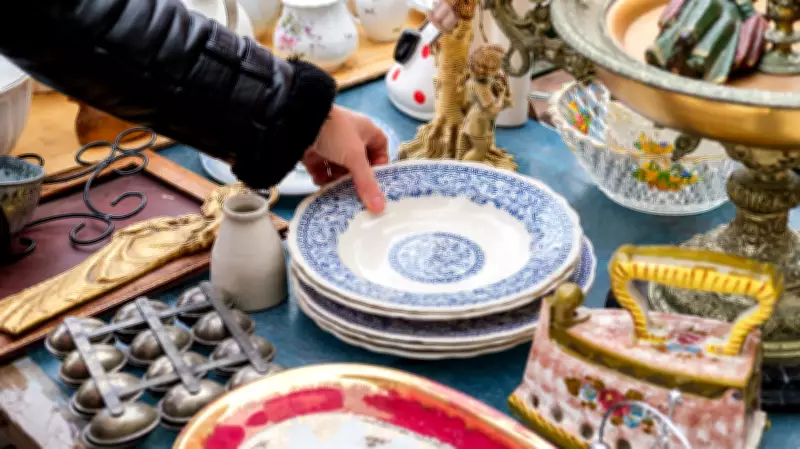
A viral Instagram Reel has thrust the issue of lead contamination in household items into the spotlight, amassing over 15 million views and sparking intense public worry. The video, created by an influencer known as The Lead Lady, features her testing dishes such as teacups, mugs, plates, and bowls at HomeGoods, with results indicating positive lead readings. However, experts are raising significant doubts about the validity of these claims, emphasizing that the consumer lead testing device used is not the most accurate method for detection.
Experts Question the Validity of Viral Claims
Medical toxicologists and health professionals have expressed skepticism regarding the video's findings. Dr. Adam Blumenberg, an associate professor of emergency medicine at Columbia University Medical Center, noted that while consumer goods in the U.S. should not contain lead, contamination can occasionally occur, often from imported or antique items. The video's partnership with a lead testing device brand further complicates its credibility, as it remains unclear if the results were corroborated by more formal testing sources like the Environmental Protection Agency.
Dr. Diane Calello, medical director of the New Jersey Poison Information and Education System, explained that the most common sources of lead exposure are deteriorating indoor lead paint in older homes, not necessarily new retail products. She added that brands adhering to U.S. manufacturing standards typically avoid lead, but antique or imported goods can slip through regulatory cracks.

Understanding Real Lead Exposure Risks
Lead exposure poses serious health risks, particularly for children. Dr. Matthew Correia, a toxicologist at Oregon Health & Science University, highlighted that lead can affect cognitive development, intelligence, and behavior in kids, and it is a risk factor for heart disease in adults. Even low levels of exposure can lead to abdominal pain, high blood pressure, and nerve issues. In extreme cases, excessive lead can cause brain swelling, seizures, and rarely, death.
To mitigate these risks, parents are encouraged to have children undergo routine blood tests for lead levels at ages one and two. Adults in high-risk occupations should also consider testing. If exposure is detected, treatment often involves removing the source, with medication reserved for severe cases.
How to Protect Yourself from Lead Contamination
Experts recommend several practical steps to reduce lead exposure risks:
- Purchase from reputable sellers: Buying new plates and dishes from trusted brands can lower the likelihood of contamination.
- Avoid using suspected items: If you suspect a kitchen tool or serving item contains lead, stop using it immediately and have it tested by your local public health department or with EPA-approved kits.
- Consult professionals: Consumer lead tests can be expensive and inaccurate, so seeking advice from poison centers or health departments is crucial for personalized guidance.
- Repurpose heirlooms: If a prized item tests positive for lead, consider keeping it as a display piece rather than using it for eating or drinking.
While the viral video has heightened awareness, Dr. Calello reassured that most household products do not contain lead, and panic is unnecessary. For accurate testing and advice, contacting local poison centers at 1-800-222-1222 or public health departments is the best course of action, offering reliable information beyond social media claims.