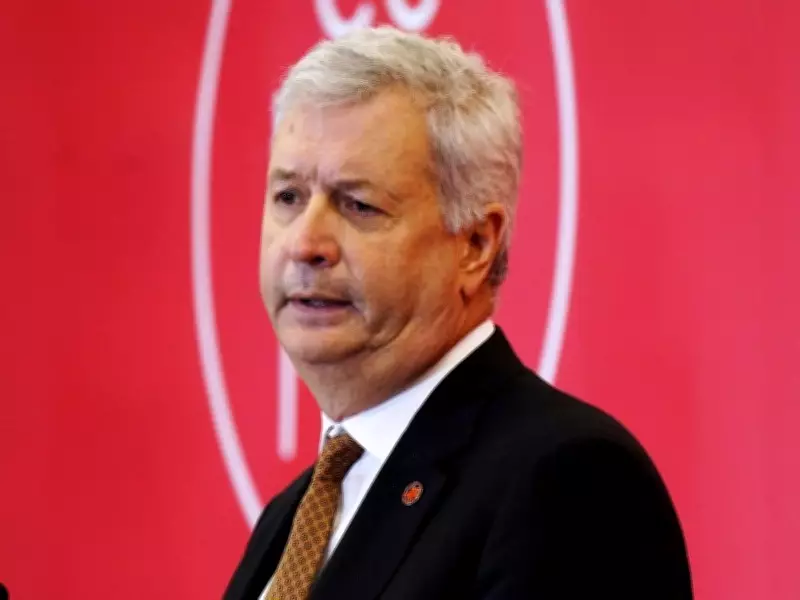
In a stunning turn of events, a brief four-minute video containing only two words in French has precipitated the end of a nearly two-decade career at Air Canada. CEO Michael Rousseau declared he would step down by September 2026, not due to a recent tragic plane crash, but because of intense backlash over his handling of a condolence message.
The Controversial Video and Immediate Fallout
On March 23, 2026, two Air Canada pilots lost their lives in a collision with a fire truck on the runway at New York's LaGuardia Airport. One week later, Rousseau released a condolence video that included merely the words "bonjour" and one other French term. This sparse use of French ignited immediate criticism from Quebec politicians, francophone groups, and federal officials.
Prime Minister Mark Carney condemned the message as lacking compassion and judgment, while Quebec Premier François Legault demanded Rousseau's resignation. The Quebec National Assembly unanimously passed a motion, with a vote of 92 to nothing, calling for his departure. Despite Air Canada initially stating Rousseau had no plans to leave, he soon announced his retirement, framing it as a personal decision.

A History of Language Issues
This was not Rousseau's first encounter with language-related controversy. In 2021, after delivering a speech almost entirely in English to the Montreal Chamber of Commerce, he remarked that he did not need to learn French to navigate Montreal. He apologized the following day, and the airline reported he subsequently completed 350 hours of language courses plus 250 hours of practice. However, this effort proved insufficient in the face of public scrutiny.
Broader Implications for Corporate Leadership
Rousseau's situation underscores critical lessons for executives in public-facing roles. When speaking publicly, leaders embody the face and soul of their company, regardless of external pressures like crisis management or board responsibilities. His failure extended beyond public relations, touching on legal compliance under the Official Languages Act, which mandates bilingual service on certain routes, as well as cultural accountability and crisis leadership.
The characterization of his departure as a retirement, rather than a resignation or termination, is a strategic move by Air Canada. This distinction impacts severance packages, potential payouts, and how the exit is recorded on his employment history, especially after days of public pressure and legislative motions.
Contractual and Reputational Considerations
Rousseau was widely regarded as an effective and well-liked leader, with Air Canada aware of his bilingual limitations yet still considering him suitable for the role. However, his next leadership opportunity will likely require addressing this controversy directly. The incident raises a larger question about how organizations must communicate non-negotiable expectations with their executives.
Most executive contracts cover basics like termination for cause and confidentiality, but fewer address public communication standards, reputational obligations, or conduct tied to regulatory environments. This gap can lead to situations like Rousseau's, where cultural accountability and public representation become pivotal.
Practical Solutions and Future Lessons
The fix is straightforward: if cultural accountability or public representation are material to a role, they should be explicitly reflected in employment agreements. When an executive's conduct could expose the organization to regulatory scrutiny or reputational harm, contracts must state this clearly. In an era of rapid public backlash, organizations that plan for such scenarios are better equipped to handle them.
A CEO's value is largely reputational; once that reputation becomes the central story, the role often becomes untenable. Rousseau's case, while unusual, serves as a cautionary tale for companies navigating the complexities of leadership in a globally connected world.