Airline Shares Stabilize as Some Gulf Flights Resume Amid Iran Tensions
The recent selloff in airline stocks showed signs of easing on March 4, 2026, as some flights managed to depart from the Gulf region despite the escalating conflict involving Iran, the United States, and Israel. This development provided a slight reprieve for investors and travelers alike, who have been grappling with widespread cancellations and uncertainty.
Market Reaction to Geopolitical Turmoil
Earlier in the week, airline shares experienced significant pressure as the conflict led to numerous flight cancellations across the Middle East. The aviation sector, already sensitive to geopolitical risks, saw sharp declines as carriers suspended routes over safety concerns. However, by Wednesday morning, a modest recovery was observed as some operators cautiously resumed services from key hubs in the Gulf.
This stabilization reflects a tentative optimism that the worst of the disruptions may be temporary, though analysts caution that the situation remains fluid. The ability of certain flights to operate suggests that not all airspace is entirely compromised, offering a glimmer of hope for normalized operations in the near future.

Impact on Travelers and Regional Airports
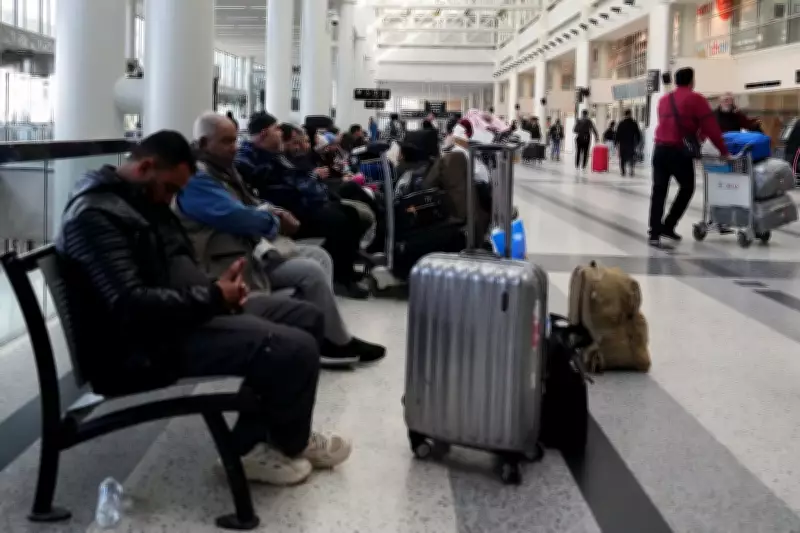
The conflict has left many passengers stranded, with scenes of crowded terminals and frustrated travelers becoming common. For instance, at Rafik Hariri International Airport in Beirut, Lebanon, on February 28, 2026, numerous individuals were seen waiting after their flights were canceled due to the ongoing hostilities. Similar disruptions have been reported across the region, affecting both business and leisure travel.
The resumption of some flights is a critical step toward alleviating these hardships, but full recovery will depend on de-escalation efforts and improved security assessments. Airlines are closely monitoring advisories from aviation authorities to ensure passenger safety while minimizing operational losses.
Broader Economic and Sector Implications
Beyond immediate travel woes, the conflict has broader implications for the global economy, particularly through oil price volatility and trade route disruptions. The aviation industry, which is heavily influenced by fuel costs and geopolitical stability, faces ongoing challenges. Key points include:
- Increased operational costs due to rerouting and heightened security measures.
- Potential long-term impacts on travel demand to and from the affected regions.
- Investor sentiment remaining cautious amid uncertainty over the conflict's duration.
As the situation evolves, market participants will be watching for further developments that could either ease or exacerbate the pressures on airline stocks. For now, the slight recovery in shares indicates a measured response to the partial resumption of flights, though the overall outlook remains contingent on diplomatic and military actions in the Gulf.