Bayer Retreats from Roundup Settlement Amid Investor Backlash
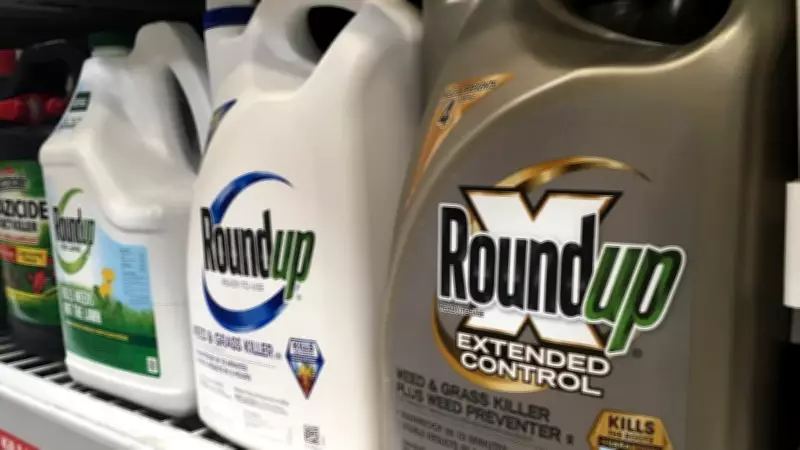
In a significant corporate reversal, Bayer AG has announced its withdrawal from a proposed settlement agreement to resolve ongoing litigation related to its Roundup weedkiller. The decision comes as investor confidence in the deal has sharply declined, reflecting broader financial concerns within the company.
Investor Sentiment Sours on Proposed Agreement
The settlement, which aimed to address thousands of lawsuits alleging that Roundup causes cancer, faced mounting skepticism from shareholders. Analysts report that investors grew increasingly wary of the financial implications and potential long-term liabilities associated with the agreement. This skepticism culminated in a notable drop in Bayer's stock value, prompting the company to reassess its strategy.
Key factors contributing to the investor backlash include:

- Uncertainty over the total cost of litigation and future claims.
- Concerns about the impact on Bayer's profitability and market position.
- Doubts regarding the effectiveness of the settlement in fully resolving legal risks.
Background on Roundup Litigation
Roundup, a widely used herbicide containing glyphosate, has been at the center of legal battles since 2015. Numerous plaintiffs have claimed that exposure to the product led to health issues, including non-Hodgkin lymphoma. Bayer, which acquired Monsanto—the original manufacturer of Roundup—in 2018, has faced escalating legal challenges and substantial financial settlements in recent years.
The proposed settlement was intended to provide a comprehensive resolution to these cases, but it ultimately failed to gain the necessary support from key stakeholders.
Implications for Bayer and the Agricultural Sector
Bayer's retreat from the settlement leaves the company in a precarious position, with ongoing litigation likely to continue draining resources. The agricultural sector, which relies heavily on herbicides like Roundup, may also face increased scrutiny and regulatory pressure as a result of this development.
Industry experts suggest that Bayer may need to explore alternative strategies, such as:
- Developing new formulations or products to mitigate health concerns.
- Engaging in more transparent communication with investors and the public.
- Seeking regulatory clarity on glyphosate safety to reduce legal uncertainties.
The situation underscores the complex interplay between corporate liability, investor relations, and public health in the modern business landscape. As Bayer navigates this challenge, its actions will be closely watched by stakeholders across the agricultural and financial sectors.