Bayer Proposes $10.25 Billion Settlement to Resolve Roundup Cancer Cases
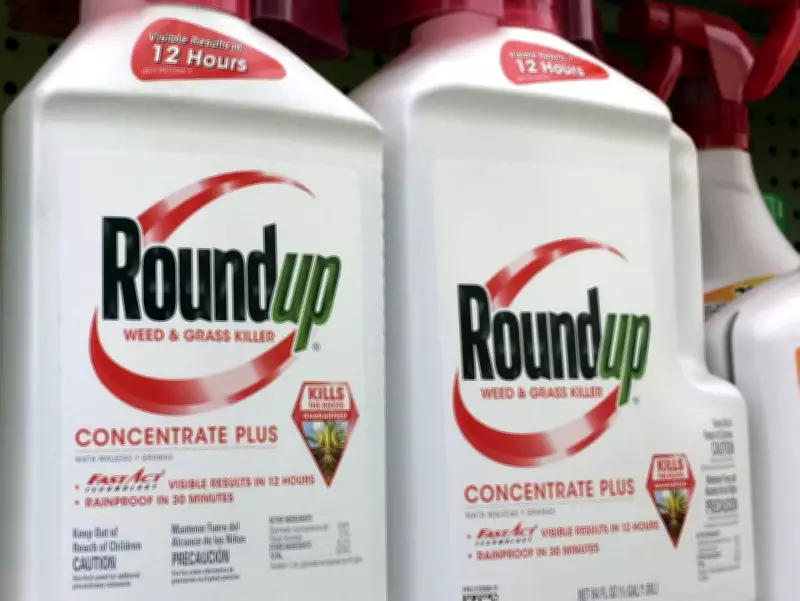
In a major development, Bayer AG has unveiled a proposed $10.25 billion plan to settle all outstanding cancer lawsuits linked to its Roundup weed killer. This move aims to bring closure to years of contentious litigation that has plagued the company since its acquisition of Monsanto, the original manufacturer of Roundup.
Details of the Settlement Proposal
The $10.25 billion proposal is designed to address claims from individuals who allege that exposure to glyphosate, the active ingredient in Roundup, caused them to develop cancer, particularly non-Hodgkin lymphoma. Bayer has stated that this comprehensive settlement would cover all current and future claims, providing a pathway to resolve the legal uncertainty that has weighed on the company's financial performance and public image.
This plan follows a series of high-profile court losses for Bayer, including multi-billion-dollar verdicts in favor of plaintiffs. The company has consistently maintained that Roundup is safe when used as directed, citing regulatory approvals from agencies like the U.S. Environmental Protection Agency. However, the International Agency for Research on Cancer classified glyphosate as "probably carcinogenic to humans" in 2015, fueling the lawsuits.

Impact on Bayer and the Agricultural Sector
The proposed settlement could significantly reduce legal risks for Bayer, allowing it to focus on its core business operations. Analysts suggest that resolving these cases is crucial for restoring investor confidence, as the litigation has led to substantial financial reserves and stock volatility. Bayer has already set aside billions in previous quarters to cover potential liabilities, and this new proposal may help stabilize its balance sheet.
In the broader agricultural sector, this development may influence how other companies handle product liability issues. Roundup is one of the world's most widely used herbicides, and any changes in its legal status or availability could affect farming practices globally. Bayer has emphasized its commitment to continuing Roundup sales, but the settlement might lead to enhanced labeling or safety warnings to mitigate future risks.
Next Steps and Legal Considerations
The proposal requires approval from courts and the plaintiffs involved, a process that could take months to finalize. Key elements of the plan include:
- Establishing a compensation fund for eligible claimants
- Creating a scientific panel to review glyphosate research
- Implementing measures to manage future litigation
Legal experts note that while this settlement could resolve many cases, it may not prevent new lawsuits from emerging, especially if further scientific evidence links glyphosate to health issues. Bayer has indicated that it will continue to defend Roundup's safety in any new legal challenges, but this proposal represents a strategic shift toward a more conciliatory approach.
Overall, Bayer's $10.25 billion plan marks a pivotal moment in the Roundup saga, potentially ending one of the largest product liability battles in recent history. The outcome will be closely watched by stakeholders in agriculture, law, and public health, as it sets a precedent for how corporations address mass tort claims related to consumer products.