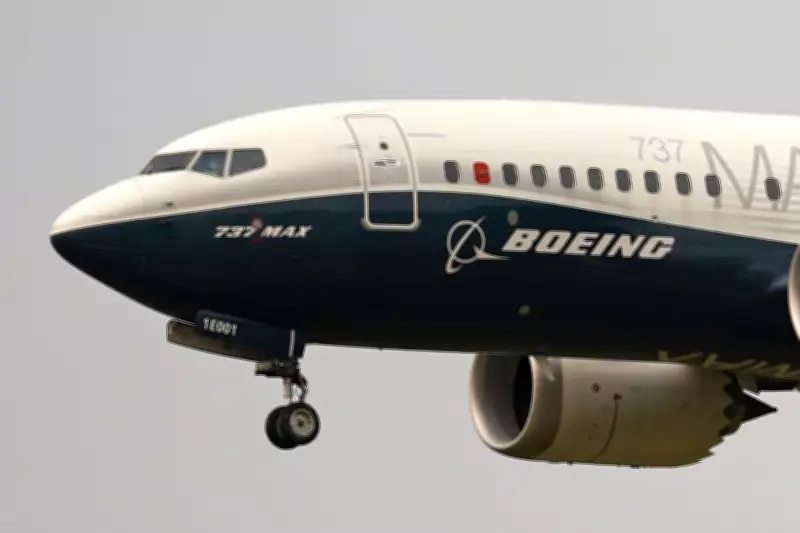
Boeing Identifies Wiring Flaws That Could Postpone 737 MAX Deliveries
In a recent development, Boeing has disclosed that wiring flaws detected in its 737 MAX jets could lead to delays in first-quarter deliveries. This announcement comes as the aerospace giant continues to navigate production challenges and supply chain disruptions.
Impact on Production and Supply Chain
The wiring issues, which affect certain components of the aircraft, may necessitate additional inspections and repairs, potentially slowing down the delivery schedule. Boeing emphasized that safety remains its top priority, and the company is working diligently to address these flaws to ensure compliance with regulatory standards.
This situation underscores the ongoing complexities in aircraft manufacturing, where even minor defects can have significant repercussions on timelines and customer commitments. The 737 MAX, a key model in Boeing's portfolio, has faced scrutiny in the past, making this latest issue particularly noteworthy for stakeholders.

Broader Context and Industry Implications
The potential delays could impact airlines relying on these deliveries for fleet expansions or replacements. Industry analysts note that such setbacks might affect Boeing's competitive position, especially as rival manufacturers ramp up production.
Boeing has not specified the exact number of jets affected, but the company assured that it is collaborating with suppliers and regulators to mitigate any disruptions. This proactive approach aims to minimize the impact on customers and maintain trust in the 737 MAX program.
As Boeing addresses these wiring flaws, the aerospace sector watches closely, highlighting the importance of quality control and timely communication in maintaining operational efficiency and market confidence.