Cargojet's Financial Performance Reveals Divergent Business Segments Amid Tariff Pressures
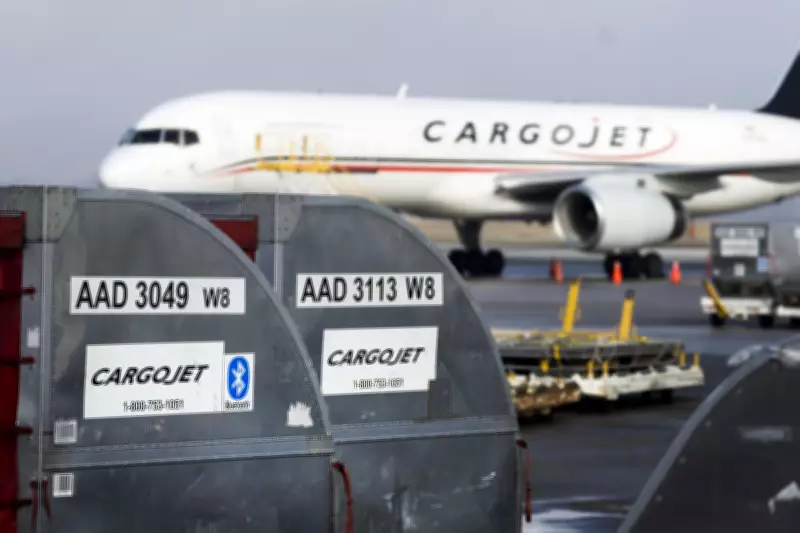
Cargojet Inc., Canada's leading overnight air cargo carrier, has released earnings that CEO Ajay Virmani describes as a "tale of two cities," with tariff implementations creating significant headwinds for portions of their business operations. The company's financial results demonstrate how international trade policies are directly impacting logistics companies operating in competitive global markets.
Tariff Implementation Creates Operational Challenges
During the earnings presentation, Virmani detailed how recently implemented tariffs have begun to dent Cargojet's business performance in specific segments. The CEO emphasized that while some areas of their operation continue to show strength and resilience, the tariff environment has created measurable pressure on profitability in affected routes and services. This dual impact scenario reflects broader challenges facing transportation and logistics companies navigating evolving international trade regulations.
The company's experience illustrates how tariff policies can create uneven effects across different business units, even within a single organization. Cargojet's diversified service portfolio, which includes domestic overnight networks and international charter operations, has responded differently to the changing trade landscape, with some segments absorbing more impact than others.

Strategic Response and Market Positioning
Despite the tariff-related challenges, Cargojet maintains strategic advantages in the Canadian air cargo market. The company operates from key hubs including the John C. Munro Hamilton International Airport, positioning it to serve major population centers across the country. This infrastructure investment provides operational flexibility that may help mitigate some tariff impacts through route optimization and service adjustments.
Industry analysts note that Cargojet's situation reflects broader trends in global logistics, where companies must increasingly navigate:
- Changing international trade policies and tariff structures
- Volatile fuel costs and operational expenses
- Competitive pressures in the air cargo sector
- Customer demand fluctuations based on economic conditions
Future Outlook and Adaptation Strategies
Looking forward, Cargojet leadership indicated they are developing adaptation strategies to address the tariff environment while maintaining service quality for customers. The company's response may include operational adjustments, pricing strategies, and potential diversification initiatives to reduce vulnerability to specific tariff impacts.
The "tale of two cities" characterization suggests Cargojet is experiencing both challenges and opportunities simultaneously, a dynamic common in industries directly affected by international trade policies. As global trade relationships continue to evolve, transportation companies like Cargojet must balance immediate financial impacts with long-term strategic positioning in competitive markets.
Financial markets will be watching closely to see how Cargojet navigates these tariff-related challenges while maintaining its position as Canada's premier overnight air cargo provider. The company's ability to adapt to changing trade conditions while leveraging its established infrastructure and customer relationships will likely determine its performance in coming quarters.