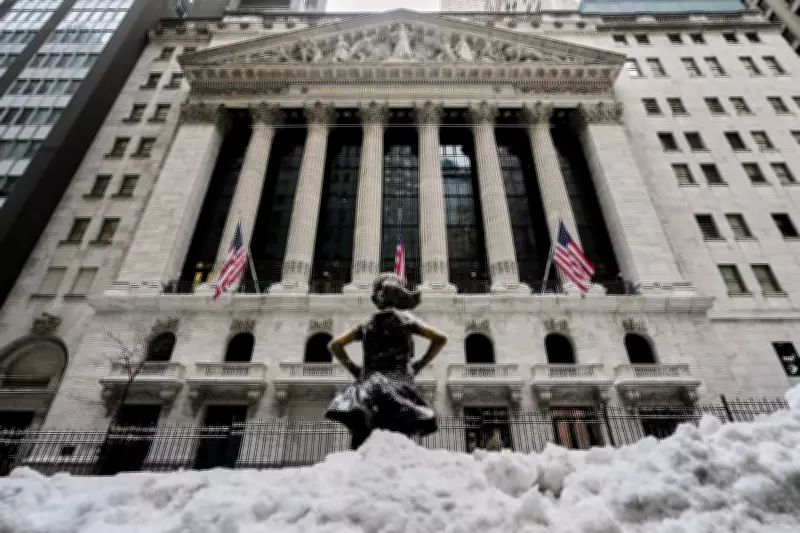
In a significant shift for the financial landscape, numerous companies are reevaluating their plans for initial public offerings (IPOs) throughout 2026. This strategic reassessment comes as ongoing market volatility continues to test and often depress company valuations, creating a challenging environment for businesses seeking to go public.
The Impact of Market Fluctuations on IPO Strategies
Market instability has become a defining characteristic of the current economic climate, with fluctuations affecting investor confidence and appetite for new listings. Companies that had previously scheduled IPOs for 2026 are now facing difficult decisions about whether to proceed with their original timelines, delay their offerings, or fundamentally restructure their approach to going public.
Valuation Challenges in Uncertain Times
The core issue revolves around valuation concerns. In volatile markets, businesses struggle to achieve the premium valuations they might have anticipated during more stable periods. This valuation pressure forces corporate leaders and financial advisors to reconsider the timing and structure of their public offerings, with many opting to wait for more favorable market conditions before proceeding.

Financial analysts note that this trend represents a marked departure from previous years when companies rushed to capitalize on bullish market sentiment. The current environment demands greater caution and strategic patience from businesses contemplating public listings.
Broader Implications for the Business Ecosystem
This widespread reconsideration of IPO plans has ripple effects throughout the business community. Venture capital firms and private equity investors who typically rely on public offerings as exit strategies must now adjust their expectations and timelines. Similarly, investment banks specializing in underwriting IPOs face reduced deal flow and must adapt their business models accordingly.
Alternative Financing Strategies Emerge
As traditional IPO routes become less attractive, companies are exploring alternative financing options. These include:
- Extended private funding rounds with existing investors
- Strategic partnerships with larger corporations
- Debt financing arrangements
- Special purpose acquisition company (SPAC) mergers
Market observers suggest that this period of IPO reconsideration may lead to lasting changes in how companies approach public markets, with greater emphasis on timing and market conditions rather than rigid corporate calendars.
The Path Forward for Companies and Investors
While the current environment presents challenges, it also offers opportunities for strategic repositioning. Companies that delay their IPOs can use the additional time to strengthen their financial performance, refine their business models, and build more resilient operations. This preparation could ultimately lead to more successful public offerings when market conditions improve.
For investors, the reduced IPO activity means fewer immediate opportunities but potentially higher-quality offerings when companies do eventually go public. The selective approach forced by market volatility may result in better-vetted companies entering public markets, benefiting long-term investors seeking sustainable growth opportunities.
The coming months will reveal whether this trend of IPO reconsideration represents a temporary pause or a more fundamental shift in how businesses approach public markets in an era of increased economic uncertainty.