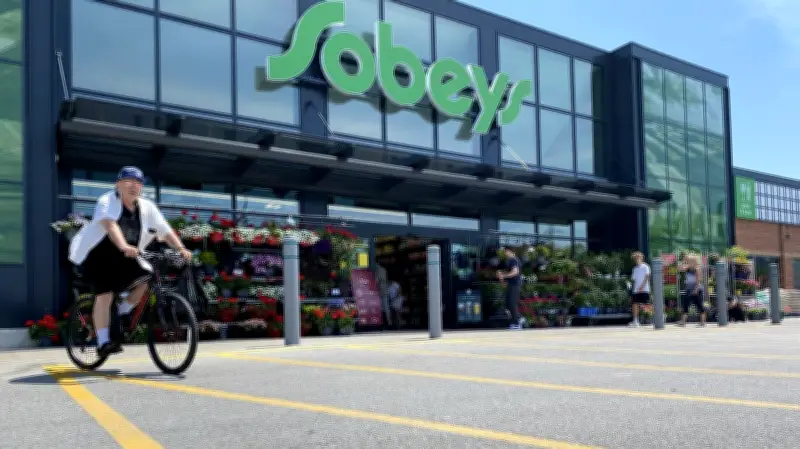
The Competition Bureau has expanded its investigation into Sobeys Inc. regarding property control practices after obtaining court approval, marking a significant escalation in the regulatory scrutiny of Canada's grocery sector.
The bureau received court orders requiring Sobeys to produce additional records and information related to its property agreements, including lease provisions that may restrict other grocery retailers from opening nearby stores. The probe focuses on whether such clauses stifle competition and lead to higher prices for consumers.
Scope of the Investigation
According to the Competition Bureau, the expanded probe targets Sobeys' use of restrictive covenants and exclusive leases in shopping centers and other retail properties. These agreements can prevent rival grocers from leasing space in the same development, potentially limiting consumer choice.

“We are examining whether Sobeys' property control practices harm competition in the grocery market,” a bureau spokesperson said. “The court orders will help us gather evidence to determine if these practices violate the Competition Act.”
This is not the first time the bureau has investigated major grocers. In 2023, it launched a broader study of grocery competition in Canada, which highlighted concerns about the concentration of market power among the top players—Loblaw, Sobeys, Metro, and Walmart.
Industry Impact
Sobeys, owned by Empire Company Ltd., is one of Canada's largest grocery chains with over 1,500 stores nationwide. The company has faced previous allegations of anti-competitive behavior, including a 2023 class-action lawsuit claiming it conspired with other grocers to fix bread prices.
In a statement, Sobeys said it is cooperating with the bureau's investigation. “We are committed to complying with all regulatory requirements and believe our property practices are lawful and pro-competitive,” the company said.
Consumer advocates have welcomed the expanded probe, arguing that restrictive property agreements are a key barrier to entry for independent grocers and discount retailers. “When big chains lock up prime retail space, it’s harder for smaller players to compete, and that ultimately hurts shoppers,” said a spokesperson for the Canadian Consumer Council.
Broader Context
The investigation comes amid growing public and political pressure to address rising food prices and consolidate market power. In 2024, the House of Commons committee on agriculture studied grocery competition and recommended stronger enforcement of anti-competitive practices.
Statistics Canada reported that food prices rose 4.5% year-over-year in May 2026, outpacing overall inflation. The bureau's probe could lead to remedies such as requiring Sobeys to modify or eliminate restrictive lease clauses, or even imposing financial penalties.
The court-approved orders allow the bureau to compel testimony and documents from Sobeys executives and property managers. The investigation is expected to continue for several months, with a report to be submitted to the Commissioner of Competition.