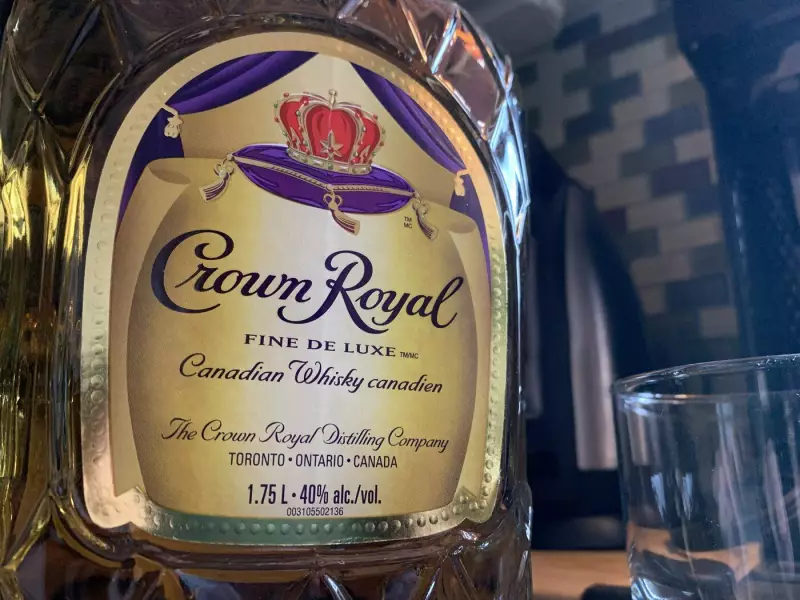
A decision by spirits giant Diageo to withdraw its iconic Crown Royal Canadian whisky from shelves in Ontario is sparking alarm in Manitoba, where the brand is distilled and bottled. Provincial legislators are warning the move puts local livelihoods and a significant piece of the provincial economy at risk.
Economic Threat to Manitoba's Heartland
The issue was raised in the Manitoba Legislative Assembly, where an MLA highlighted the potential fallout. Crown Royal is produced at the Diageo facility in Gimli, Manitoba, a operation that provides hundreds of direct and indirect jobs. The brand is a cornerstone of the local economy in the Interlake region and a point of provincial pride.
The decision to halt distribution in Ontario, Canada's most populous province and largest liquor market, represents a severe blow to the brand's domestic footprint. While the exact commercial reasons behind Diageo's strategic pullback have not been fully detailed, the repercussions for Manitoba are immediate and concerning.

MLA Sounds the Alarm on Livelihoods
Rising in the house, the MLA stated plainly that the corporate decision is "jeopardizing livelihoods" within the province. The warning underscores the fragile dependency local communities can have on global corporate strategies. A sustained reduction in Canadian market share could potentially lead to scaled-back operations, affecting everyone from bottling line workers to local grain suppliers.
The situation exposes the complex interplay between provincial economies and international business. While Crown Royal enjoys strong sales internationally, particularly in the United States, the loss of its home-market presence in Ontario is symbolically and economically significant.
Broader Implications for Canadian Spirits
This development raises questions about the future of domestic marketing for historically Canadian brands under multinational ownership. Crown Royal, originally created in 1939 to mark the royal visit of King George VI and Queen Elizabeth, is deeply woven into Canada's cultural fabric. Its potential diminished presence in a major Canadian market feels like a shift in that legacy.
Local officials and industry representatives are likely to engage with Diageo to understand the long-term strategy and to advocate for the Manitoba workforce. The coming weeks will be critical in determining whether this is a temporary market adjustment or a precursor to more substantial changes at the Gimli plant.
For now, the message from Manitoba's legislature is clear: the province is watching closely, and the stakes for its workers are high.