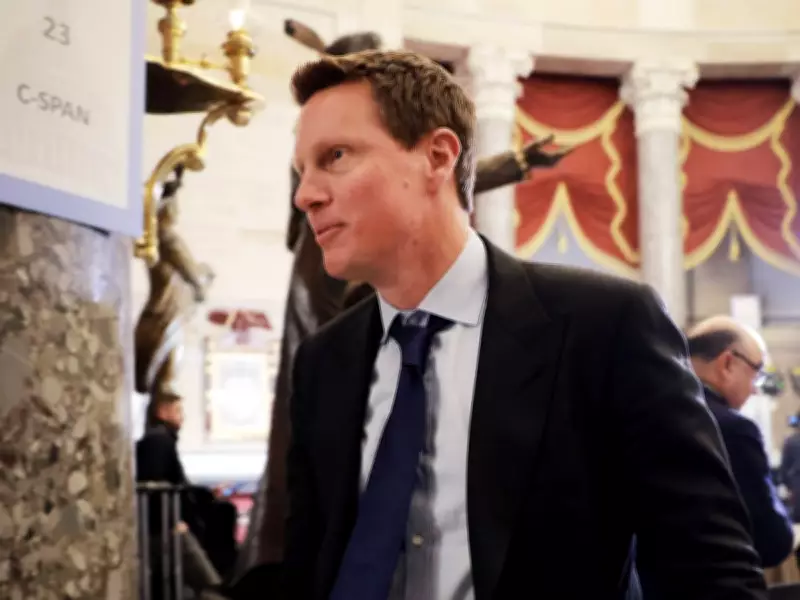
David Ellison's Strategic Acquisition of Warner Bros. Using Wealth and Political Influence
In a stunning corporate maneuver, Paramount CEO David Ellison has successfully acquired Warner Bros. Discovery Inc. through a combination of political connections and substantial financial resources. The transaction, valued at an impressive $111 billion, marks a significant consolidation within the global entertainment industry, positioning the Ellison family at the helm of one of the largest media empires worldwide.
The Dramatic Bidding War and Netflix's Surprising Withdrawal
The acquisition process reached its climax following a tense board meeting at Warner Bros. Discovery. Chief Executive David Zaslav personally contacted both David Ellison and Netflix co-CEO Ted Sarandos to deliver the board's decision: Paramount Skydance Corp.'s latest proposal had been deemed superior to Netflix's competing offer.
Despite expectations of prolonged negotiations, Netflix unexpectedly withdrew from the bidding process just hours later. This surprising development left both Warner Bros. and Paramount executives astonished, particularly given Netflix's earlier aggressive stance and public defense of their proposed deal. As part of the withdrawal agreement, Netflix received a substantial $2.8 billion breakup fee from Paramount.

Ellison's Persistent Campaign and Political Maneuvering
The successful acquisition represents the culmination of an extensive, months-long campaign orchestrated by Ellison and his team. Their strategy involved sophisticated lobbying efforts targeting Warner Bros. shareholders, regulatory authorities, and even White House officials. Ellison's representatives actively worked to undermine Netflix's position by warning Hollywood stakeholders about potential negative consequences of a Netflix-controlled Warner Bros.
This persistent approach reflects Paramount's challenging position within the evolving media landscape. The company currently derives all its profits from traditional television networks facing declining viewership, while its streaming service remains significantly smaller than major competitors. The Warner Bros. acquisition offers Paramount an opportunity to transform two subscale media entities into a more formidable industry player.
Initial Missteps and Eventual Triumph
Ellison's path to acquisition was not without obstacles. His initial offers to Warner Bros. were rejected by the company's board as insufficient, creating opportunities for competing bids from industry giants including Comcast Corp. and Netflix. Paramount remained confident throughout this competitive phase as the only potential buyer willing to acquire Warner Bros. in its entirety.
When Warner Bros. initially announced a deal with Netflix on December 5, Ellison and his team responded with immediate countermeasures. Within days, Paramount announced a tender offer to purchase shares directly from Warner Bros. shareholders and organized a comprehensive conference call where Ellison detailed the advantages of Paramount's proposal. Ellison further reinforced his position by personally engaging with potential investors at a UBS Group AG summit in New York.
The New Entertainment Powerhouse
The combined entity resulting from this acquisition will control two major Hollywood studios, premium networks including HBO and CBS, and approximately two dozen cable networks. This consolidation creates a media powerhouse that will nevertheless face significant challenges, including substantial debt reduction through cost-cutting measures and a potentially rigorous regulatory review process.
For David Ellison, a 43-year-old film enthusiast relatively new to Hollywood executive leadership, this acquisition represents a transformative opportunity. The addition of Warner Bros.' legendary studio assets and premium streaming capabilities could potentially elevate both companies from their current positions as subscale players to more significant competitors in the increasingly global entertainment industry.
The transaction's success underscores the complex interplay between financial resources, political influence, and strategic persistence in modern corporate acquisitions, particularly within the rapidly evolving media and entertainment sector.