European Stocks Slump as Iran War Uncertainty Fuels Oil Price Surge and Inflation Fears
European equities experienced a significant downturn on Friday, with investors grappling with profound uncertainty surrounding the duration of the ongoing war in Iran. This conflict has severely disrupted global energy supplies, spurring intense fears over inflation that have dramatically upended the outlook for interest rates worldwide.
Oil Prices Skyrocket, Driving Market Volatility
The price of oil, which has surged an astonishing 40% since the onset of the war, remained just above $100 per barrel, marking its highest level since mid-2022. Prices moderated slightly on Friday following a U.S. decision to issue a 30-day license allowing countries to purchase sanctioned Russian oil and petroleum products stranded at sea. However, the underlying pressure remains intense.
Brent crude oil futures were last up 0.8% at $100.30 a barrel, while West Texas Intermediate crude traded at $95.98 a barrel. Both benchmarks had hovered around $60 at the start of 2026, illustrating the dramatic escalation driven by geopolitical tensions.

"Headlines are coming at the market like water from a fire hose, which is impacting the price of oil, and consequently, financial markets," said Mitch Reznick, group head of fixed income at Federated Hermes. Traders are urgently trying to predict the duration of the oil supply disruption based on the latest war developments.
Stock Markets and Currency Movements Reflect Turmoil
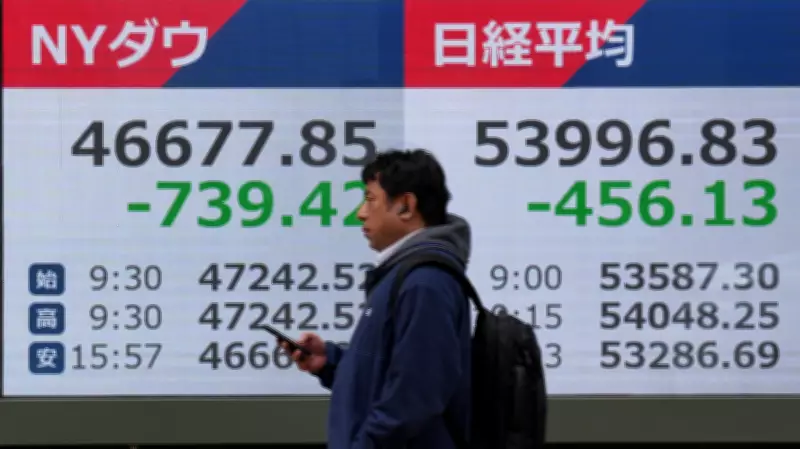
Europe’s STOXX 600 index fell 0.6% in early trading, putting the benchmark on track for a 6.1% decline in March so far—its most substantial two-week drop in a year. U.S. futures were subdued, with S&P 500 e-minis off 0.1% following steep declines on Thursday that saw the S&P 500 close 1.5% lower.
The U.S. dollar has emerged as the preferred safe-haven asset during this tumult, exerting pressure on most other currencies. The dollar was set for a second consecutive week of gains, appreciating 2.5% since the war broke out at the end of February.
In currency markets, the euro fell 0.5% to $1.14575, on course for a weekly decline of nearly 1.4%. The dollar index stood at 100.1, poised for about a 1% weekly advance. The yen hit its weakest level since July 2024 at 159.69 per U.S. dollar, with Japan warning it was ready to take action to protect against further declines.
Inflation Concerns Reshape Interest Rate Expectations
The specter of rising inflation has compelled markets to rapidly reprice their expectations for central bank actions this year. Traders now anticipate just 20 basis points of easing from the Federal Reserve, compared to 50 basis points of cuts priced in last month.
Two-year Treasury yields, which typically move in step with Fed interest rate expectations, scaled a six-month high on Thursday. The yield eased 2 basis points to 3.74% after hitting its highest level since August 22, having gained approximately 35 basis points in the two weeks since the war began.
"If we don’t make any progress and just have a status quo for a prolonged period...that would obviously mean that oil prices stay higher for longer, and we have a more pronounced impact on the economy and on inflation," said Wolf von Rotberg, equity strategist at Bank J. Safra Sarasin in Zurich.
Analysts Warn of Prolonged Conflict and Economic Impact
With Iran stepping up attacks across the Middle East and its new Supreme Leader Mojtaba Khamenei vowing to keep the vital Strait of Hormuz shipping lane closed, investors are bracing for a prolonged conflict and sustained higher oil prices. Khamenei, who was reportedly injured in an air strike, has yet to appear publicly since his nomination, with his defiant message read by a newscaster on state television.
"With the possibility of higher oil prices still elevated, investors should be prepared for continued volatility and potentially further downside in the near term," cautioned Vasu Menon, managing director of investment strategy at OCBC in Singapore.

Jose Torres, senior economist at Interactive Brokers, noted that the impact of rising oil prices on corporate margins, inflation expectations, rate-cut prospects, and yields is sparking significant volatility, leaving market participants with few places to hide. "Indeed, sinking optimism about Fed rate reductions amid strengthening cost pressures is weighing on traditional safe havens such as silver, gold, and government debt," he said.
Central Bank Meetings Loom as Focus Shifts
Investor attention will now switch to a slate of critical policy meetings scheduled for next week. The Federal Reserve, the Bank of Japan, the European Central Bank, and the Bank of England are all due to convene, with most expected to keep interest rates unchanged. The Reserve Bank of Australia is broadly anticipated to hike rates.
Gold traded 0.2% higher at $5,088.4 per ounce on Friday but was set for a 1% weekly drop, reflecting the complex dynamics in safe-haven assets. Analysts suggest the bar for currency intervention is higher now, as any action could prove futile against relentless dollar buying.
The ongoing war in Iran continues to cast a long shadow over global financial markets, with energy prices, inflation fears, and shifting monetary policy expectations creating a perfect storm of uncertainty and volatility for investors worldwide.