FlyDubai Makes Historic Fleet Decision with Massive Airbus Order
In a landmark move that signals a significant shift in its fleet strategy, FlyDubai has placed a massive order for 150 Airbus A321neo aircraft. This decision, announced on Tuesday, November 18, 2025, at the Dubai Air Show in the United Arab Emirates, represents the airline's first major expansion beyond an all-Boeing fleet.
A Strategic Shift in the Skies
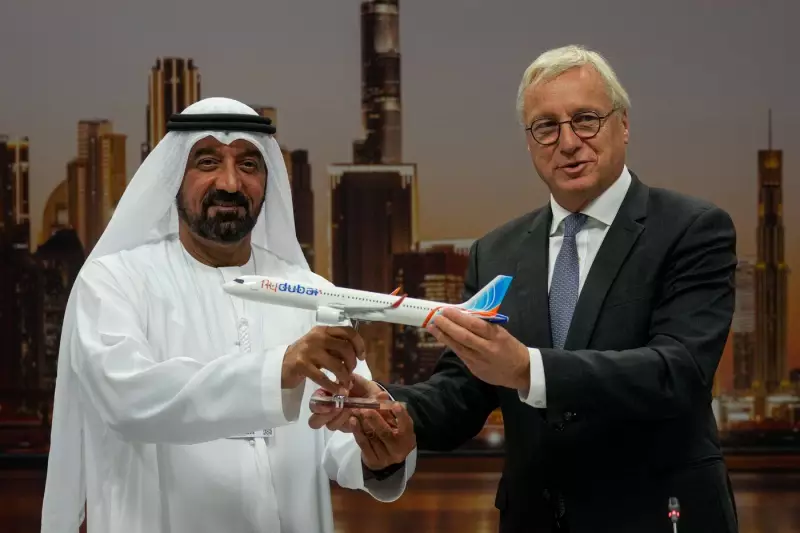
The historic order was formalized during a press conference where Airbus' CEO of commercial aircraft, Christian Scherer, presented a model of the A321neo to Sheikh Ahmed bin Saeed Al Maktoum. Sheikh Ahmed serves as the chairman and chief executive of Emirates airline and is also the chairman of FlyDubai. This substantial commitment to Airbus narrow-body jets marks a new chapter for the Dubai-based carrier, which has historically operated an exclusive fleet of Boeing 737 aircraft.
Details of the Dubai Air Show Announcement
The announcement was a centerpiece of the Dubai Air Show, one of the aviation industry's most prominent events. The order for 150 of the fuel-efficient A321neo models is one of the largest single-aisle aircraft commitments in recent years. This move is seen as a strategic effort by FlyDubai to:

- Expand its route network and capacity
- Modernize its fleet with more fuel-efficient aircraft
- Diversify its aircraft suppliers for the first time
The A321neo, known for its advanced fuel efficiency and extended range, will enable FlyDubai to explore new destinations and increase frequency on existing routes. This order solidifies the growing competition between Airbus and Boeing in the crucial single-aisle aircraft market.
This fleet expansion comes as airlines worldwide are seeking to replace older aircraft with newer, more sustainable models. The Airbus A321neo incorporates the latest technology in aerodynamics and engines, resulting in significantly lower fuel consumption and reduced emissions compared to previous generation aircraft.
For FlyDubai, this order represents a transformative step in its growth strategy, positioning the airline for expanded operations across the Middle East, Asia, Africa, and Europe. The diversification away from a single manufacturer also provides the airline with greater flexibility in its future fleet planning and procurement strategies.