Global Markets Edge Higher Amid Geopolitical Tensions Over Iran Oil Route
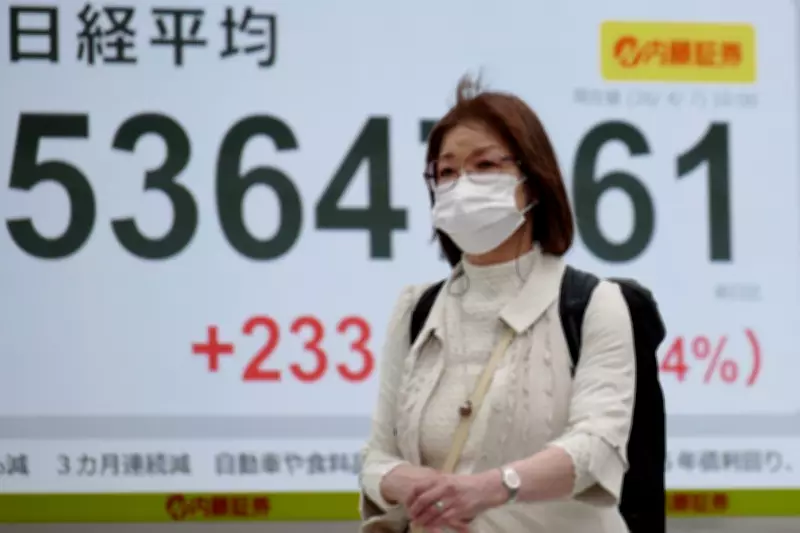
Global stock markets experienced a modest uptick on Tuesday, April 7, 2026, as investors adopted a mild risk-on stance in anticipation of a critical deadline set by former U.S. President Donald Trump. The focus centers on Iran's potential reopening of a significant oil transportation route, a move that could influence global energy supplies and economic stability. This cautious optimism reflects broader market sentiments grappling with geopolitical uncertainties and their implications for trade and inflation.
Investor Sentiment and Oil Price Movements
Market analysts noted a slight rise in oil prices alongside the equity gains, underscoring the interconnectedness of energy markets and financial performance. Eric Nuttall, a prominent energy strategist, warned, "We're days away from parts of the world experiencing actual shortages," highlighting concerns over supply disruptions if the deadline passes without resolution. The Canadian dollar posted limited gains, tempered by a shrinking services economy, indicating mixed economic signals amid the geopolitical backdrop.
Broader Economic and Political Context
The market movements occur against a backdrop of domestic and international developments. In Canada, political advertising pushes and federal byelections add layers of complexity, while globally, experts caution that Trump's threatened actions against Iran's power plants could be considered war crimes, raising stakes for diplomatic relations. These factors collectively contribute to a volatile environment where investors are weighing short-term gains against long-term risks.

Implications for Global Trade and Security
The situation underscores the delicate balance between energy security and geopolitical stability. A failure to reopen the oil route could exacerbate supply constraints, potentially driving up prices and impacting industries worldwide. Conversely, a resolution might ease tensions but could also shift market dynamics unpredictably. As deadlines approach, market participants remain vigilant, with many adjusting portfolios to hedge against potential disruptions in the energy sector and broader economic fallout.