GURU Organic Energy Files $15 Million Lawsuit Against PepsiCo Over Distribution Dispute
GURU Organic Energy Corp., recognized as Canada's leading organic energy drink brand, has initiated legal action against The Pepsi Bottling Group (Canada) ULC, seeking substantial damages for alleged breaches of their distribution agreement and misuse of confidential product information. The lawsuit, filed in the Ontario Superior Court of Justice, represents a significant corporate dispute in the Canadian beverage industry.
Legal Claims and Financial Demands
The Montreal-based company is pursuing $15 million in damages for what it describes as Pepsi's failure to uphold contractual obligations and breach of good faith. Additionally, GURU seeks recovery of profits from Pepsi's competing "Rockstar Island Bliss" product and payment of $164,753 in outstanding receivables that remain unpaid.
GURU's legal filing outlines multiple alleged violations by the beverage distribution giant. According to court documents, Pepsi failed to provide the agreed-upon "Fair Share" of retail shelf space, instead allegedly allocating premium positions to PepsiCo-owned and affiliated competing brands. This conduct reportedly caused Pepsi to consistently miss the volume growth targets established in annual Joint Business Plans throughout their partnership.

Alleged Confidential Information Misuse
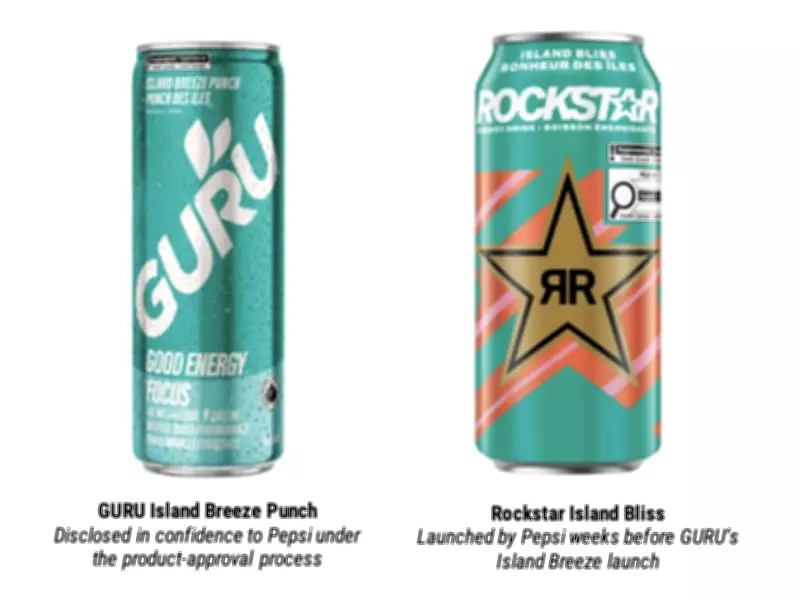
A particularly contentious aspect of the lawsuit involves GURU's claim that Pepsi misused confidential product information. Under their distribution agreement's product-approval process, GURU disclosed specifications for its new "Island Breeze" product to Pepsi on a confidential basis. Weeks before GURU's planned launch, Pepsi's Rockstar brand released a competing product called "Island Bliss" that GURU alleges shares substantially similar attributes.
"Pepsi did not warn GURU of the competing launch," the company stated in its legal filing, suggesting the timing and similarities indicate improper use of proprietary information.
Distribution Transition Complications
The dispute stems from a distribution agreement originally signed on June 14, 2021, which made Pepsi GURU's exclusive Canadian distributor for an initial ten-year term. However, on November 22, 2024, Pepsi delivered a without-cause notice of termination, effective May 22, 2025.
During the transition period, GURU alleges that Pepsi withheld inventory from retailers despite representing that distribution would continue on a "business-as-usual" basis. The company claims Pepsi removed GURU products from designated shelves in certain stores, ceased deliveries to others, and created significant out-of-stock conditions while simultaneously requiring GURU to repurchase the very inventory Pepsi was withholding.
Competition Tribunal Application and Counter Lawsuit
Beyond the civil lawsuit, GURU intends to file an application with the Canadian Competition Tribunal requesting an inquiry into Pepsi's conduct as a dominant distributor in the Canadian non-alcoholic beverage market. The company alleges Pepsi leveraged GURU's market presence and trade investments to expand its own shelf allocation, which was then disproportionately assigned to competing Pepsi-affiliated brands.
Meanwhile, Pepsi has filed its own separate lawsuit against GURU claiming approximately $4.4 million for post-termination payables. GURU has stated it intends to fully contest this claim and maintains that any potential liability is already reflected in its October 31, 2025 annual financial statements.
Business Stability and Financial Performance
Despite the ongoing litigation, GURU reports that its transition to a direct distribution model is now complete and that business operations remain stable and independent of the legal proceedings' outcome. The company has delivered three consecutive EBITDA-positive quarters and achieved record Q1 revenue, which management suggests demonstrates both the strength of the GURU brand and the value that was allegedly constrained under the former distribution arrangement.

The legal battle between these two beverage industry players highlights the complex relationships between brands and their distributors in the competitive Canadian market. As both companies prepare their legal arguments, the case promises to shed light on distribution practices and contractual obligations within the rapidly growing organic beverage sector.