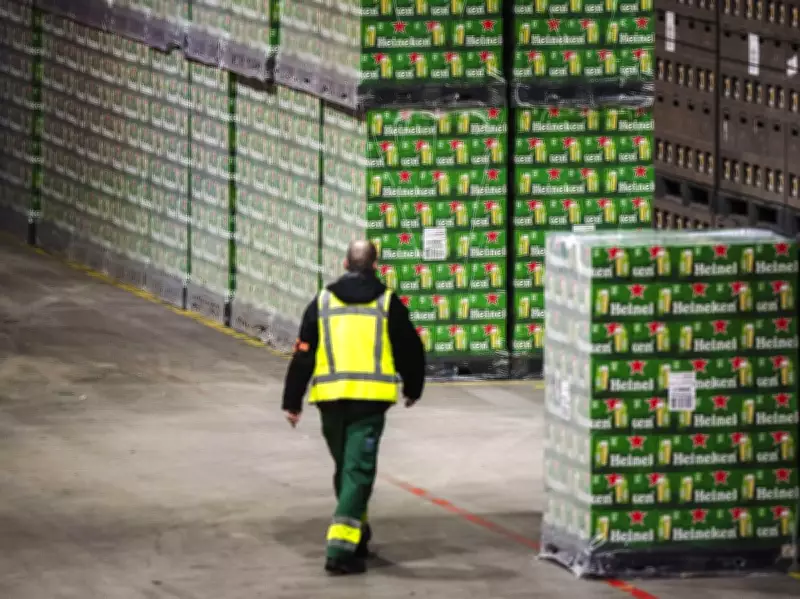
Heineken Announces Major Workforce Reduction Amid Beer Industry Slump
Heineken NV, the global brewing giant behind brands like Tecate and Amstel, has revealed plans to cut approximately seven percent of its workforce in response to an industry-wide decline in beer demand. The Dutch brewer will eliminate between 5,000 and 6,000 positions over the next two years, primarily affecting employees in Europe, as part of a comprehensive cost-cutting initiative.
Industry Challenges and Financial Performance
The decision comes as Heineken reported a 2.4 percent drop in beer volumes for 2025, though this figure was slightly better than analysts had anticipated. The company attributes the decline to multiple factors, including rising prices across consumer goods and a growing trend of alcohol moderation among health-conscious consumers. These challenges have created what company executives describe as a "post-pandemic pullback" in key markets like the United States and Europe.
"Bigger and bolder innovation is needed in developed markets like North America and Europe," said outgoing CEO Dolf van den Brink in an interview with Bloomberg TV. "Low alcohol and alcohol-free beer have strong potential for growth."

Leadership Transition and Strategic Outlook
The workforce reduction follows last month's surprise announcement that Van den Brink will step down in May after six years as chief executive. Finding his successor is now a "top priority" for Heineken's board of directors. Despite the current challenges, Van den Brink expressed optimism about the beer category's long-term prospects, particularly in emerging markets like Vietnam and South Africa where demographics and rising incomes are driving consumption growth.
Heineken had previously announced plans to streamline its head office operations, but the latest job cuts represent a much broader restructuring effort. The company has not specified which roles will be affected by the reductions, stating only that they are part of a broader cost-cutting drive.
Market Reaction and Industry Context
Following the announcement, Heineken shares rose as much as 5.5 percent in Amsterdam trading, marking the stock's largest intraday gain in twelve months. The company also provided guidance for 2026, forecasting operating profit growth between two and six percent, compared to 4.4 percent growth in 2025.
Analysts have offered mixed reactions to Heineken's announcements. Jefferies analysts described the profit forecast as "slightly more damp" than market expectations but noted it sets the company up for delivery in a transition year. Berenberg analysts called the results "better than feared" and praised Heineken's commitment to productivity improvements.
Broader Industry Trends
Heineken is not alone in facing industry headwinds. Rival brewer Carlsberg A/S recently widened its operating profit outlook while warning of subdued demand in Western markets. The Danish company has been attempting to diversify away from beer through acquisitions like last year's purchase of soft drink maker Britvic.
The beer industry's challenges reflect broader consumer trends, with households grappling with inflation and shifting attitudes toward alcohol consumption. Despite these short-term pressures, Heineken remains confident about the category's mid- to long-term recovery.
"We remain prudent in the short-term, and we remain confident in the mid- to long-term that the category will return to growth," Van den Brink concluded.