Iran Conflict Disrupts Global Supply Chains, Elevating Costs from Paint to Planes
The escalating military conflict in Iran is sending shockwaves through global supply chains, significantly increasing costs for a wide range of industries and casting a dark shadow over economic forecasts. From basic manufacturing materials like paint to complex aviation components, businesses worldwide are grappling with shipment delays, tariff impacts, and heightened uncertainty.
Widespread Industrial Impact
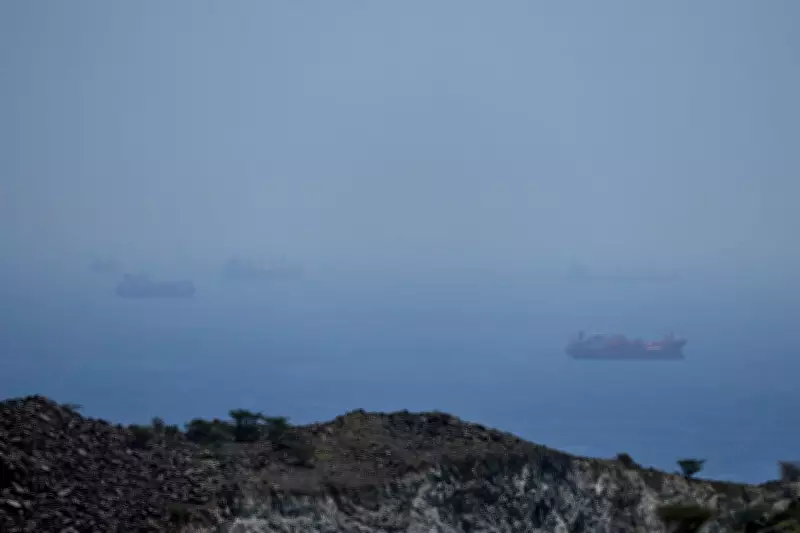
Major corporations are already feeling the strain. Elevator manufacturer Otis has publicly flagged tariff hits and shipment delays directly linked to the Middle East conflict. This disruption is not isolated; it reflects a broader pattern affecting logistics and production timelines across sectors. The strategic Strait of Hormuz, a critical maritime chokepoint, has seen increased military activity, with tankers and bulk carriers anchoring as tensions rise, further complicating global trade routes.
The ripple effects are profound, influencing everything from industrial equipment to consumer goods. Manufacturing firms reliant on timely component deliveries are experiencing production slowdowns, which in turn drive up operational costs. These increased expenses are likely to be passed on to consumers, contributing to inflationary pressures in an already fragile global economy.

Economic Outlook Darkens
Financial analysts and business leaders are revising their economic projections downward as the conflict persists. The instability introduces new variables into market equations, making long-term planning exceptionally challenging. The uncertainty surrounding trade flows and regional security is causing investors to adopt a more cautious stance, potentially slowing capital investment in affected industries.
This geopolitical tension arrives at a time when global supply chains were still recovering from previous disruptions. The added strain threatens to undo some of that progress, particularly for industries with just-in-time manufacturing models that depend on reliable logistics. The aviation sector, already sensitive to fuel price volatility and regulatory hurdles, faces additional hurdles in sourcing parts and maintaining fleet operations.
Broader Business Implications
Beyond immediate cost increases, the conflict is influencing corporate strategy and partnerships. In a related business development, Merck has announced a partnership with Google Cloud on AI initiatives, highlighting how companies are seeking technological solutions to navigate complex environments. Meanwhile, TMX Group's acquisition of Cboe Australia and Cboe Canada for $409 million underscores ongoing consolidation moves as firms position themselves for stability.
The situation underscores the interconnected nature of modern global commerce, where regional conflicts can have immediate and far-reaching consequences. As businesses from paint suppliers to aerospace companies reassess their risk exposure and logistical frameworks, the overall economic outlook remains clouded by continued geopolitical uncertainty in the Middle East.