Oil Prices Retreat and Stock Markets Rally Following Trump's Iran Dialogue Announcement
In a significant market shift, global oil prices experienced a notable decline while stock indices surged sharply on Monday, March 23, 2026. This dramatic movement was triggered by former U.S. President Donald Trump's public statement claiming that Iran is actively engaged in discussions with the United States. The announcement, made during a morning press briefing, immediately sent ripples through financial markets worldwide.
Market Reactions to Geopolitical Developments
Oil futures tumbled as traders interpreted the potential for diplomatic progress between Washington and Tehran as a sign of reduced geopolitical risk in the Middle East. The benchmark Brent crude contract fell by approximately 3.5 percent in early trading, while West Texas Intermediate dropped by a similar margin. This decline reversed several weeks of upward pressure on energy prices that had been driven by regional tensions and supply concerns.
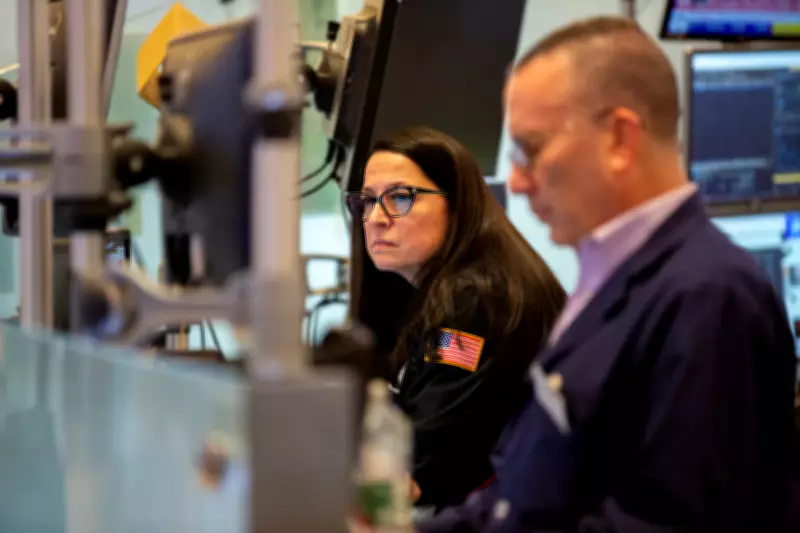
Concurrently, equity markets responded with enthusiastic buying. The Dow Jones Industrial Average jumped more than 400 points in the opening hour of trading, while the S&P 500 and Nasdaq Composite posted gains exceeding 2 percent. Financial analysts noted that the prospect of reduced conflict in a critical oil-producing region alleviated investor concerns about potential supply disruptions and inflationary pressures.

Iran's Swift Denial and Diplomatic Context
Despite the market optimism, Iranian officials issued immediate and categorical denials of any ongoing talks with American representatives. Foreign Ministry spokesperson Nasser Kanaani stated emphatically that "no dialogue exists between Iran and the United States," characterizing Trump's announcement as "baseless propaganda." This contradictory messaging created uncertainty about the actual state of diplomatic relations between the two nations.
The situation highlights the ongoing complexities in U.S.-Iran relations, which have remained strained since the collapse of the 2015 nuclear agreement. Market observers noted that while Trump's comments prompted immediate trading activity, the Iranian denial introduced a note of caution about whether any substantive diplomatic breakthrough had actually occurred.
Broader Economic Implications
The market movements had several important consequences:
- Energy sector stocks underperformed as oil prices declined, with major petroleum companies seeing share price decreases of 2-4 percent.
- Transportation and industrial companies benefited from the prospect of lower fuel costs, with airline and shipping stocks posting significant gains.
- The U.S. dollar weakened against major currencies as investors shifted toward riskier assets, with the dollar index falling by 0.8 percent.
- Bond yields rose as money flowed out of safe-haven government securities and into equities.
Financial analysts emphasized that while the market reaction was substantial, its sustainability would depend on whether actual diplomatic progress materializes. "Markets are responding to the possibility of reduced tensions, but the Iranian denial creates uncertainty," noted market strategist Rebecca Chen of Global Financial Insights. "Traders will be watching closely for any confirmation or further developments from either side."
Historical Context and Future Outlook
This episode recalls similar market volatility during previous administrations when statements about Middle East diplomacy prompted rapid financial reactions. The sensitivity of global markets to geopolitical developments in oil-producing regions remains pronounced, particularly given ongoing supply chain challenges and inflationary pressures in many economies.
Looking ahead, market participants will monitor several key indicators:

- Any official statements from the U.S. State Department regarding the status of talks with Iran
- Weekly petroleum inventory reports that will indicate supply-demand dynamics
- OPEC+ production decisions that could offset any price declines
- Further comments from Iranian leadership about their diplomatic posture
The disconnect between Trump's announcement and Iran's denial creates a challenging environment for investors attempting to assess the true state of U.S.-Iran relations. While markets have responded optimistically to the prospect of reduced tensions, the conflicting narratives suggest that volatility may persist until clearer signals emerge from diplomatic channels.