Oil Giants Scramble for Venezuelan Projects Amid Output Push
In a competitive rush to capitalize on Venezuela's energy potential, international oil companies are actively jostling for projects aimed at quickly boosting the country's crude production. This aggressive pursuit comes as firms seek to expand their portfolios in a resource-rich nation, but industry analysts warn that a complex and arduous journey lies ahead, with substantial challenges that could hinder sustained growth.
Immediate Ambitions Meet Long-Term Realities
The drive to increase Venezuelan output is fueled by global energy demands and strategic interests, with companies eyeing short-term gains through new drilling and infrastructure initiatives. However, this initial enthusiasm is tempered by the recognition that Venezuela's oil sector faces deep-seated issues, including aging facilities, regulatory uncertainties, and geopolitical tensions. These factors create a "real grind" that may delay or complicate efforts to achieve meaningful, lasting increases in production capacity.
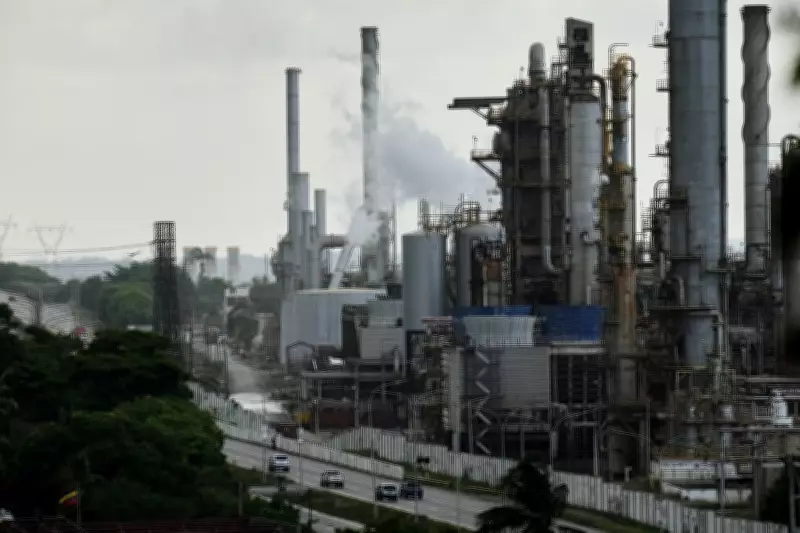
Operational hurdles are a primary concern, as many of Venezuela's oil fields and refineries, such as the El Palito refinery in Puerto Cabello, require significant upgrades and investment to operate efficiently. Decades of underinvestment and mismanagement have left infrastructure in a state of disrepair, making quick fixes unlikely and necessitating long-term, costly overhauls.

Corporate Strategies and Market Dynamics
Oil firms are deploying varied strategies to navigate this landscape, from forming partnerships with local entities to leveraging technological advancements in extraction. Yet, the competitive environment is intense, with multiple players vying for limited opportunities, potentially leading to inflated costs and reduced profitability. Market dynamics, including fluctuating oil prices and shifting global energy policies, add another layer of complexity, influencing investment decisions and project timelines.
Political and economic instability in Venezuela further complicates matters, as changes in government policies or international sanctions could abruptly alter the business climate. Companies must balance the allure of Venezuela's vast oil reserves against the risks of operating in a volatile environment, where legal frameworks and enforcement can be unpredictable.
Future Outlook and Industry Implications
Looking ahead, the success of these projects will depend on several key factors:
- Sustained investment in infrastructure and technology to overcome operational bottlenecks.
- Stable political and regulatory conditions to ensure long-term planning and execution.
- Collaboration between international firms and local stakeholders to address social and environmental concerns.
- Adaptation to global energy transitions, as the shift toward renewables may impact demand for Venezuelan crude.
In summary, while the current scramble for Venezuelan oil projects highlights the sector's potential for rapid output increases, the path forward is fraught with challenges. Oil companies must prepare for a demanding process that requires patience, resilience, and strategic foresight to turn initial gains into sustainable growth, shaping the future of Venezuela's energy landscape and its role in global markets.