U.S. Crude Oil Prices Exceed $110, Stock Markets Tumble After Trump's Iran Remarks
In a dramatic turn of events, U.S. crude oil prices surged past $110 per barrel, while Wall Street faced steep losses on April 2, 2026. This market upheaval was triggered by former President Donald Trump's public vow to escalate military actions against Iran, heightening geopolitical tensions and investor anxiety worldwide.
Immediate Market Reactions to Geopolitical Uncertainty
The announcement sent shockwaves through financial markets, with the Dow Jones Industrial Average and S&P 500 both tumbling by over 3% in early trading. Energy stocks, however, saw a brief spike as traders anticipated potential supply disruptions in the oil-rich Middle East. Analysts noted that the volatility reflects deep concerns about how renewed conflict could impact global trade routes and economic stability.
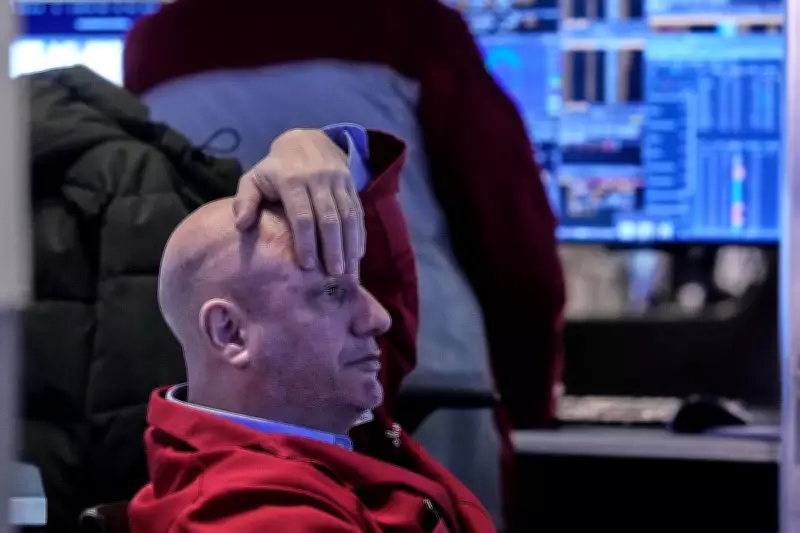
John Mauro, a trader at the New York Stock Exchange, commented on the chaotic scene: "It's been a wild morning. Everyone is scrambling to adjust their portfolios based on the news. The fear is palpable, especially with oil prices jumping so sharply."

Broader Economic Implications and Expert Analysis
Economists warn that sustained high oil prices could lead to increased inflation, affecting everything from transportation costs to consumer goods. Deloitte's latest report projects only modest growth for 2026, citing ongoing uncertainty from the Iran situation and lingering trade issues. Additionally, Canada's trade deficit surged to a six-month high in February, partly due to increased gold imports, further complicating the economic outlook.
In related political developments, Conservative Leader Pierre Poilievre has called for gas taxes to be scrapped for the rest of the year to alleviate pressure on consumers. Meanwhile, Defence Minister Anita Anand is set to join U.K.-led talks on the Strait of Hormuz, a critical chokepoint for oil shipments, following her trip to Riyadh.
Global Context and Future Projections
The situation underscores the fragile balance in international relations and its direct impact on financial markets. As tensions escalate, investors are closely monitoring developments, with many shifting towards safer assets like gold and government bonds. The long-term effects remain uncertain, but experts agree that stability in the Middle East is crucial for global economic recovery.