Global Markets React to Iran Tensions with Oil Spike and Stock Declines
In a dramatic shift driven by geopolitical unrest, global stock markets experienced significant declines on Friday, March 13, 2026, while oil prices surged above US$100 per barrel. The primary catalyst for this market volatility is escalating concerns over potential military conflict involving Iran, which has investors bracing for economic repercussions.
Stock Market Downturn Amid Uncertainty
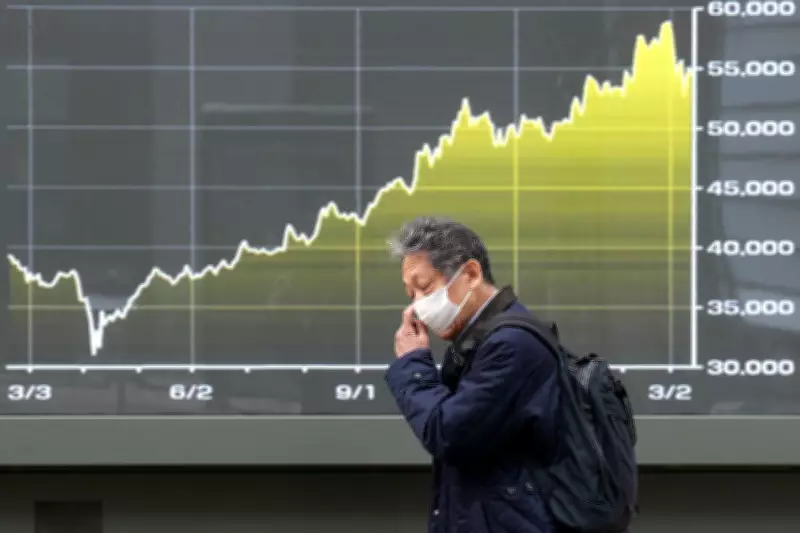
Major indices worldwide showed notable drops as uncertainty gripped financial centers. In Tokyo, the Nikkei index fell sharply, reflecting broader anxieties across Asian markets. European and North American exchanges followed suit, with analysts pointing to fears of disrupted trade routes and increased military spending as key factors. This downturn highlights how geopolitical risks can swiftly translate into financial market stress, affecting everything from corporate earnings to consumer confidence.
Oil Prices Surge Past Critical Threshold
Concurrently, oil prices jumped to over US$100 per barrel, marking a significant milestone not seen in recent years. The spike is directly linked to worries that conflict in Iran could disrupt oil supplies from the Middle East, a region crucial to global energy markets. Experts warn that sustained high oil prices could lead to higher inflation, impacting transportation costs, manufacturing, and everyday consumer goods. This development underscores the fragile balance in global energy dynamics and its immediate economic implications.

Broader Economic Implications
The dual trends of falling stocks and rising oil prices signal potential challenges ahead for the global economy. Key areas of concern include:
- Increased Inflation: Higher oil costs typically drive up prices for fuel, plastics, and other petroleum-based products, squeezing household budgets.
- Market Volatility: Investors are likely to remain cautious, leading to erratic trading patterns and reduced capital investment in risky assets.
- Geopolitical Ripple Effects: Tensions in Iran could spill over into neighboring regions, affecting international diplomacy and trade agreements.
As governments and central banks monitor the situation, responses may include adjustments to monetary policy or strategic oil reserve releases to mitigate impacts.
Looking Forward
Market observers are closely watching diplomatic developments, as any de-escalation could quickly reverse current trends. However, with no immediate resolution in sight, businesses and consumers are advised to prepare for continued economic turbulence. This event serves as a stark reminder of how interconnected global markets are with geopolitical stability, emphasizing the need for diversified investment strategies and robust risk management in uncertain times.