Independent Grocers in Ontario Grapple with New Supplier Fuel Surcharges
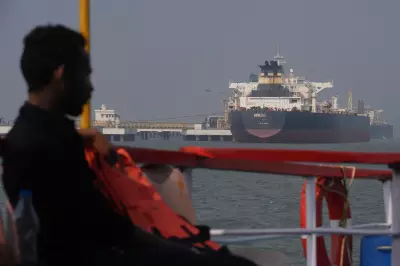
Independent grocery retailers across southern Ontario are navigating a challenging new reality as suppliers implement fuel surcharges in response to persistently high fuel costs. The ongoing conflict in the Middle East continues to exert upward pressure on fuel prices, prompting suppliers to pass these additional expenses directly to grocery stores.
Direct Impact on Local Grocery Operations
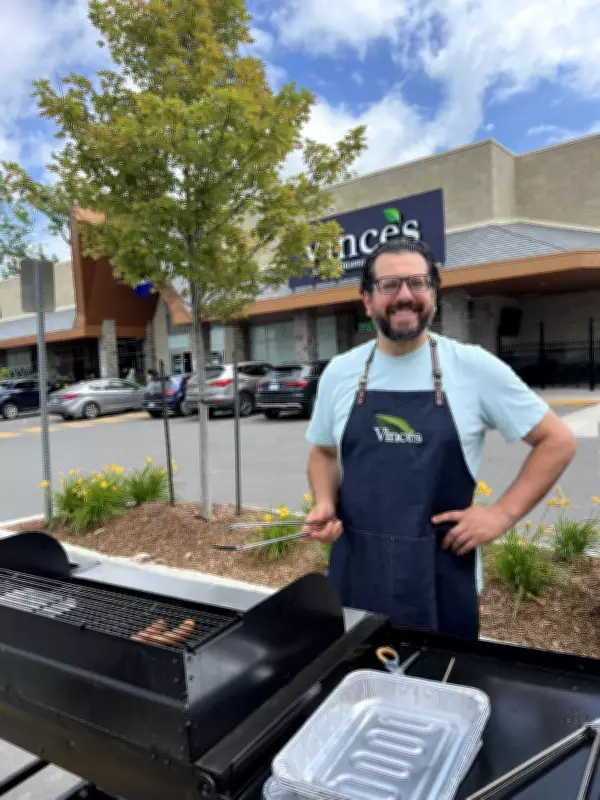
Giancarlo Trimarchi, president of the family-owned Vince's Market grocery chain, confirmed that his business has begun receiving formal notifications from suppliers about these additional charges. The surcharges range from approximately $15 to $50 per truckload, representing a significant operational cost increase for independent grocers already operating on thin margins.
"We're seeing these letters arrive regularly now," Trimarchi explained. "Each supplier is implementing their own version of these fuel surcharges, and they're adding up quickly across our supply chain."

Broader Economic Context and Implications
The timing of these surcharges coincides with several other economic pressures facing Canadian consumers and businesses:
- Elevated fuel prices driven by geopolitical tensions in the Middle East
- Ongoing supply chain disruptions affecting multiple industries
- Increased operational costs across the food distribution sector
- Consumer price sensitivity as grocery budgets remain stretched
These fuel surcharges represent just one component of the complex cost structure that independent grocers must manage. Unlike larger chain stores with greater purchasing power and diversified supply networks, smaller independent operations have fewer options for absorbing these additional expenses.
Potential Consequences for Consumers and Communities
Industry analysts suggest several potential outcomes from these new supplier charges:
- Increased grocery prices as independent stores pass some costs to consumers
- Reduced profit margins for family-owned grocery businesses
- Operational adjustments including modified delivery schedules or reduced product variety
- Competitive disadvantages compared to larger chain stores with different cost structures
"Independent grocers serve as vital community hubs in many neighborhoods," noted one retail analyst. "These additional costs threaten their ability to maintain competitive pricing while preserving the personalized service that distinguishes them from larger competitors."
Looking Ahead: Adaptation and Resilience
As fuel prices show no immediate signs of significant reduction, independent grocers like Vince's Market are exploring various strategies to mitigate the impact of these surcharges. These may include optimizing delivery routes, consolidating shipments, and negotiating with suppliers where possible.
The situation highlights the interconnected nature of global events and local business operations, demonstrating how geopolitical conflicts thousands of kilometers away can directly affect neighborhood grocery stores across Ontario.