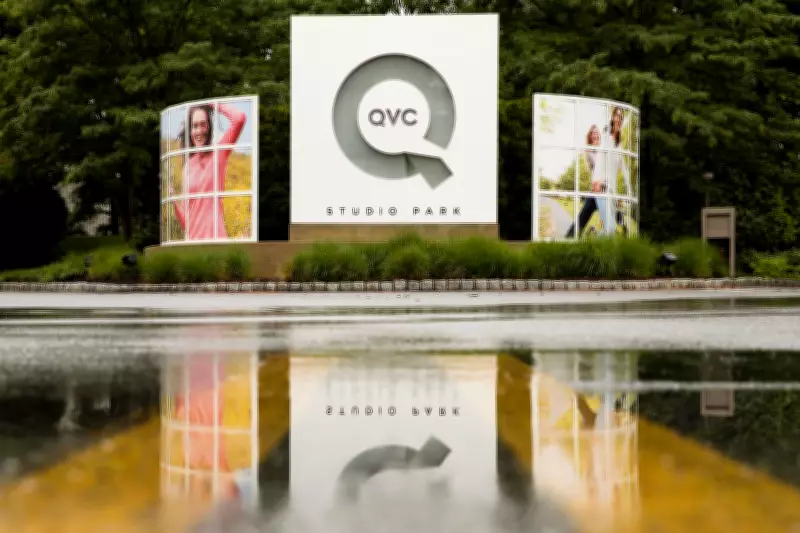
The parent company of QVC, the long-standing home shopping television network, has officially filed for bankruptcy, signaling a dramatic turn for a retail institution that has been a fixture in American households for nearly forty years. This development comes as the company grapples with evolving consumer habits and increased competition in the digital marketplace.
A Retail Icon Faces Financial Turmoil
QVC, known for its live broadcasts and product demonstrations, has been a pioneer in the television shopping industry since its inception. The network's headquarters in West Chester, Pennsylvania, have symbolized its enduring presence. However, the bankruptcy filing underscores the severe financial challenges confronting traditional retail models in an era dominated by e-commerce giants and shifting viewer preferences.
Decades of Influence and Recent Struggles
For almost four decades, QVC has captivated audiences with its unique blend of entertainment and commerce, offering everything from jewelry to electronics. Despite its historical success, the company has faced mounting pressures, including declining cable television viewership and the rapid rise of online shopping platforms. These factors have eroded its market share and profitability, leading to this critical juncture.

The bankruptcy process will likely involve restructuring efforts aimed at reducing debt and adapting to the modern retail landscape. Industry analysts suggest that this move could pave the way for a potential revival or sale, but it also highlights the broader struggles of legacy media and retail businesses in adapting to technological advancements.
Implications for the Future of Television Retail
This filing raises questions about the viability of television-based shopping networks in the digital age. While QVC has attempted to integrate online sales and social media engagement, it has struggled to keep pace with competitors that offer more personalized and convenient shopping experiences. The bankruptcy may serve as a cautionary tale for other traditional retailers relying on outdated business models.
As the company navigates this challenging period, stakeholders, including employees and vendors, will be closely monitoring the outcomes. The future of QVC remains uncertain, but its legacy as a trailblazer in home shopping is undeniable. This event marks a pivotal moment in the ongoing transformation of the retail industry, emphasizing the need for innovation and agility in a rapidly changing market.