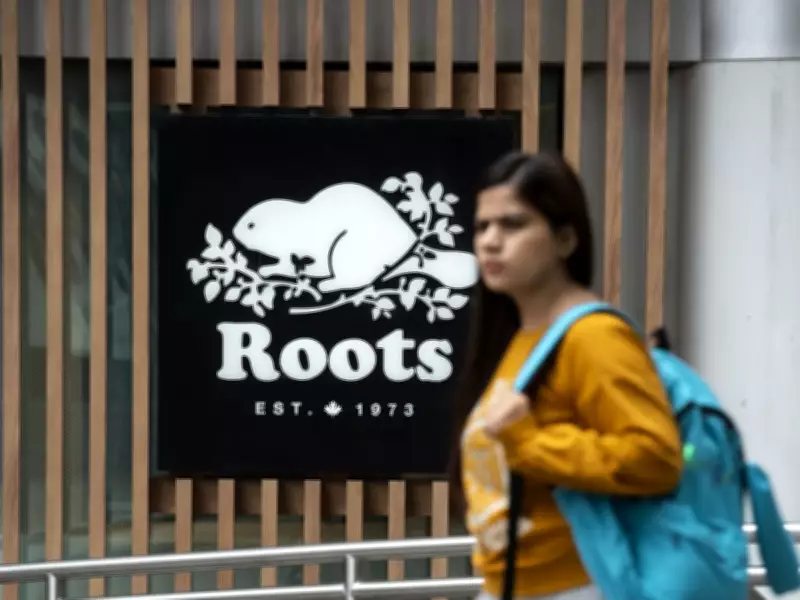
Roots Considers Strategic Sale: What's Next for the Iconic Canadian Brand?
Roots Corp. has sent shockwaves through the Canadian retail landscape with its recent announcement of a strategic review that could potentially culminate in the sale of the company. The iconic brand, known for its beaver logo and cozy apparel, revealed this development following its latest quarterly results, which showed steady but modest growth.
A Potential Shift in Ownership
Industry analysts speculate that Canadian Tire Corporation Ltd. or another major Canadian entity might emerge as a potential bidder for Roots. The move could allow the brand to leverage its homegrown identity more effectively during a period of heightened national pride. Despite its strong Canadian heritage, Roots has struggled to captivate younger consumers, and the broader "Buy Canada" movement has not translated into significant sales increases for the retailer.
The Roots Legacy: From Wilderness to Main Street
The story of Roots begins with founders Michael Budman and Don Green, two Detroit natives who spent their formative summers in Canada's wilderness. The pair first met at Camp Tamakwa in Ontario's Algonquin Park during the summer of 1963, an experience that would profoundly shape their future business.

"They fell in love with this Canadian ideal of the Muskoka lifestyle," explained Dimitry Anastakis, a business historian at the University of Toronto's Rotman School of Management.
After establishing permanent residence in Canada during the early 1970s, Budman and Green launched their first product in August 1973: the innovative negative-heel shoe. This unique footwear featured a heel lower than the toe, designed to improve posture, and sold out within a month at their inaugural store on Toronto's Yonge Street.
Evolution of a National Symbol
Roots experienced its true breakthrough in the 1980s when its clothing line, particularly sweatshirts, gained massive popularity. The beaver logo became a coveted symbol in Canadian households during an era of economic nationalism, coinciding with Canada's free-trade negotiations with the United States.
The brand's reputation reached new heights during the 1998 Winter Olympic Games in Nagano, Japan, where Canadian athletes proudly wore Roots-designed scarlet poor-boy caps and distinctive red-and-white jackets. This Olympic partnership continued until 2004, solidifying Roots' status as a national emblem.
Recent Challenges and Current Structure
According to Toronto-based retail analyst Bruce Winder, Roots "lost some of its mojo" during the 2000s. The company navigated through several challenging quarters before stabilizing over the past five years, experiencing what Winder describes as "a nice, steady kind of brand" performance rather than dramatic growth.
Since 2015, Searchlight Capital Partners, a global private equity firm with offices in Toronto, New York, and London, has held a majority stake in Roots. The acquisition terms remain undisclosed, though founders Budman and Green have maintained substantial shareholdings in the company they created nearly five decades ago.
The Path Forward
As Roots embarks on this strategic review, the retail community watches closely to see whether this quintessentially Canadian brand will remain under domestic ownership or potentially transition to new stewardship. The outcome could significantly impact how one of Canada's most recognizable retail identities evolves in an increasingly competitive market where national pride alone may not guarantee commercial success.