Trump Family Business Files for Trademark Rights on Airports Using President's Name
The business empire associated with the Trump family has initiated a significant legal move by filing for trademark rights concerning any airports that incorporate the name of President Donald Trump. This development, reported by The Associated Press, underscores the ongoing intersection of politics, commerce, and intellectual property in the United States.
Legal Implications and Business Strategy
The trademark filing aims to secure exclusive rights to the use of the Trump name in relation to airport facilities, services, and related commercial ventures. This action could potentially affect existing or future airports that seek to adopt the president's name, raising questions about branding, licensing, and legal precedence.
Experts suggest that such a move is not uncommon for high-profile figures seeking to protect their brand identity. However, it introduces complexities given the public nature of airports and the involvement of government entities in their operation and naming conventions.

Context and Background
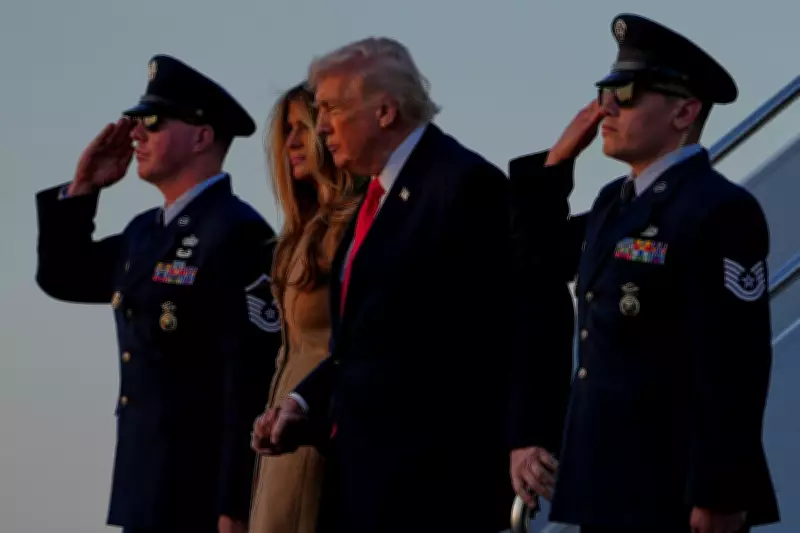
The filing comes at a time when President Trump and First Lady Melania Trump have been frequently in the public eye, including arrivals on Air Force One at locations like Palm Beach International Airport. This visibility may have influenced the decision to pursue trademark protections, as the Trump name continues to hold substantial commercial value across various industries.
While the trademark application process is ongoing, it highlights the broader trend of political figures leveraging their names for business gains. The outcome could set a precedent for how similar cases are handled in the future, particularly in sectors with significant public interest.
Potential Impacts and Reactions
If granted, the trademark rights could lead to:
- Licensing agreements for airports using the Trump name.
- Legal disputes over unauthorized use of the name in aviation contexts.
- Increased scrutiny on the blending of political and commercial interests.
Stakeholders, including airport authorities and legal analysts, are closely monitoring the situation. The move has sparked discussions about the ethical and practical ramifications of trademarking names associated with public office, especially in infrastructure that serves the general populace.
As the story develops, it remains a focal point for those interested in the dynamics of business, law, and politics in contemporary America.