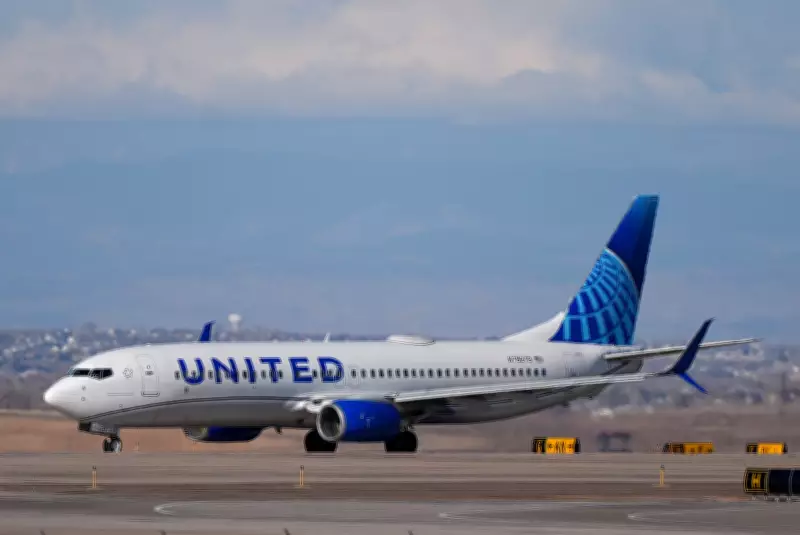
United Airlines Doubles Down on Premium Travel Strategy
In a bold move to navigate turbulent economic skies, United Airlines is significantly expanding its investment in premium travel offerings. This strategic pivot comes as the airline grapples with surging fuel expenses, exacerbated by ongoing geopolitical tensions in Iran that are disrupting global energy markets.
Fuel Costs Skyrocket Amid Geopolitical Unrest
The conflict in Iran has triggered a sharp increase in jet fuel prices, squeezing profit margins across the aviation sector. Airlines worldwide are feeling the pinch, with operational costs climbing rapidly. United Airlines, like its competitors, faces mounting pressure to adapt its business model to maintain financial stability in this volatile environment.
Premium travel segments, including business class and premium economy, typically generate higher revenue per passenger compared to standard economy seats. By enhancing these services, United aims to offset the rising fuel expenditures and bolster its bottom line. The airline plans to introduce upgraded amenities, expanded lounge access, and personalized in-flight experiences to attract affluent travelers.

A Strategic Shift Towards High-Margin Services
This focus on premium travel is not merely a reaction to current challenges but part of a broader, long-term strategy. Industry analysts note that premium cabins have historically provided airlines with a buffer during economic downturns or periods of high operational costs. United's decision reflects a calculated bet on the resilience of high-end travel demand, even as fuel prices fluctuate.
The airline's initiative includes retrofitting existing aircraft with more premium seats and prioritizing routes with strong demand for luxury travel. Additionally, United is investing in digital technologies to streamline the booking process for premium customers, offering tailored packages that combine flights with exclusive ground services.
Broader Implications for the Airline Industry
United's strategy could set a precedent for other carriers facing similar pressures. As fuel costs remain elevated due to the Iran conflict, airlines may increasingly turn to premium services as a key revenue driver. However, this shift raises questions about affordability and accessibility for budget-conscious travelers, potentially widening the gap between luxury and economy air travel.
Experts caution that while premium travel offers financial benefits, airlines must balance this with maintaining competitive pricing in economy classes to retain a broad customer base. The ongoing geopolitical situation underscores the need for airlines to adopt flexible and innovative approaches to sustain profitability in an unpredictable market.
In summary, United Airlines' enhanced focus on premium travel represents a strategic response to the economic pressures fueled by the Iran war. By leveraging high-margin services, the airline aims to navigate the challenges of rising fuel costs while positioning itself for future growth in a competitive industry landscape.