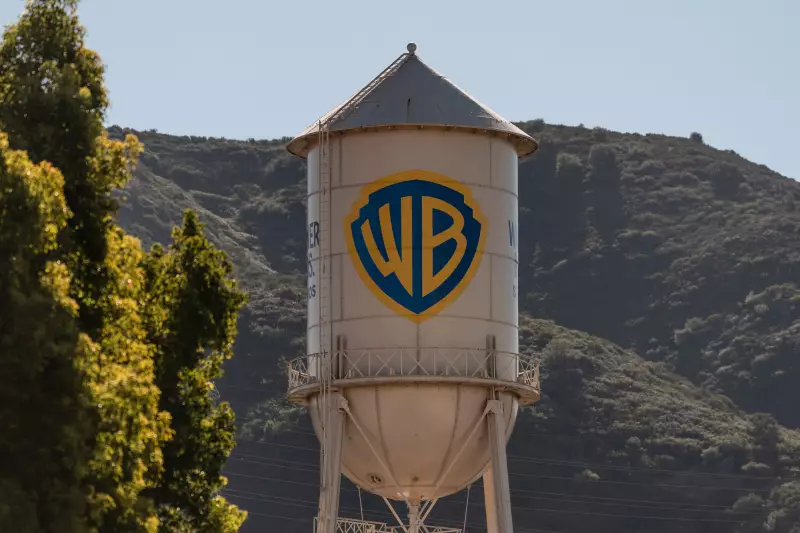
In a major development shaking the media and entertainment landscape, Warner Bros. Discovery has formally rejected a revised acquisition bid for Paramount Global valued at a staggering US$108 billion. The decision, confirmed on January 7, 2026, marks a significant setback for one of the most ambitious potential mergers in recent industry history.
The Revised Offer and Immediate Rejection
The updated proposal, which followed an initial offer, was presented as a leveraged buyout. This financial structure typically involves using a significant amount of borrowed money to meet the cost of acquisition. Sources indicate that Warner Bros. leadership, after careful review, deemed the terms and associated financial risks of the leveraged deal to be unacceptable for the company's strategic direction and financial health.
The rejection was communicated swiftly after the revised bid was submitted. The core facts remain clear: the offer was on the table for Paramount Global, the parent company of iconic film studios, television networks like CBS, and streaming service Paramount+. Warner Bros. Discovery, itself a product of a massive merger, would have created an unprecedented media conglomerate had it proceeded.

Understanding the Leveraged Buyout Risk
Industry analysts point to the leveraged buyout (LBO) structure as a likely key factor in the rejection. An LBO of this monumental scale would have loaded the combined entity with an enormous debt burden. In a climate of economic uncertainty and shifting media consumption habits, taking on such debt is seen as exceptionally risky.
Financial prudence appears to have outweighed expansion ambitions in the Warner Bros. boardroom. The company is likely focused on managing its own existing debt from its prior merger while navigating the costly streaming wars and a turbulent advertising market. Adding Paramount's challenges and a mountain of new debt was apparently a bridge too far.
Implications for the Media Industry
This rejection leaves the future of Paramount Global uncertain and may put pressure on its leadership to explore other strategic options. For Warner Bros. Discovery, the decision signals a potential pivot towards internal growth and stability rather than pursuing another transformative, yet debt-heavy, mega-merger.
The news underscores the cooling fervor for blockbuster media consolidation, as companies grapple with the realities of integrating massive organizations and satisfying shareholders demanding profitability. The focus may now shift to smaller, more targeted acquisitions or partnerships within the sector. The events of January 7, 2026, will be remembered as a day when one of the industry's giants decided that the biggest deal on the table was not the right deal for its future.