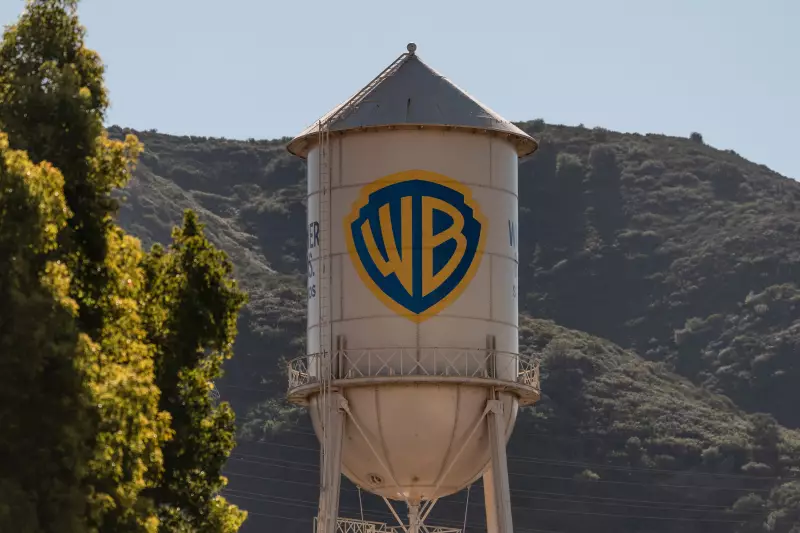
In a significant move within the media and entertainment sector, Warner Bros. has formally turned down a revised acquisition proposal from Paramount Global. The decision, announced on January 7, 2026, was based on the company's assessment that the deal structure constituted a risky leveraged buyout.
The Deal Deemed Too Risky
Warner Bros. leadership concluded that the financial framework of Paramount's latest offer posed an unacceptable level of risk. A leveraged buyout typically involves using a significant amount of borrowed money to meet the cost of acquisition, which can place a heavy debt burden on the combined entity. Warner Bros. determined that this approach could jeopardize the long-term stability and strategic direction of the company.
The rejection marks a pivotal moment in the ongoing consolidation trend within the global media landscape. Both companies are giants in film production, television networks, and streaming services, making a potential merger a topic of intense industry speculation for months.

Context of Media Industry Consolidation
This development occurs against a backdrop of fierce competition, particularly from tech giants entering the content arena and the ongoing pressures of the streaming wars. Mergers and acquisitions have been a common strategy for traditional media companies to achieve greater scale, consolidate content libraries, and improve profitability.
However, the Warner Bros. decision signals a cautious approach, prioritizing financial prudence over rapid expansion through debt-fueled deals. The company's board appears to be weighing the potential benefits of a merger against the substantial financial hazards and integration challenges a leveraged transaction would entail.
Implications and Future Prospects
The rejection leaves the future of both companies in a state of flux. For Paramount, the failed bid may necessitate a reconsideration of its strategic options, which could include seeking other partners or focusing on internal growth. For Warner Bros., the move reinforces its current independent path, at least for the foreseeable future.
Industry analysts will be watching closely to see if Paramount returns with a substantially different, less debt-reliant offer, or if other potential suitors emerge for either company. The decision also sends a message to the market about the perceived dangers of highly leveraged transactions in the current economic climate.
This high-stakes corporate drama underscores the intense pressures facing legacy media firms as they navigate technological disruption, shifting consumer habits, and an increasingly crowded marketplace for audience attention.