Canadian forestry giant West Fraser Timber Co. Ltd. has announced it will take a substantial financial charge in its final quarter of 2025, a direct result of persistent economic challenges.
A Major Financial Setback
The company stated it expects to record a non-cash charge of $409 million in the fourth quarter. This significant figure reflects the ongoing pressure from broader economic conditions affecting the lumber and building products sector. The announcement was made public on January 08, 2026.
Context and Company Profile
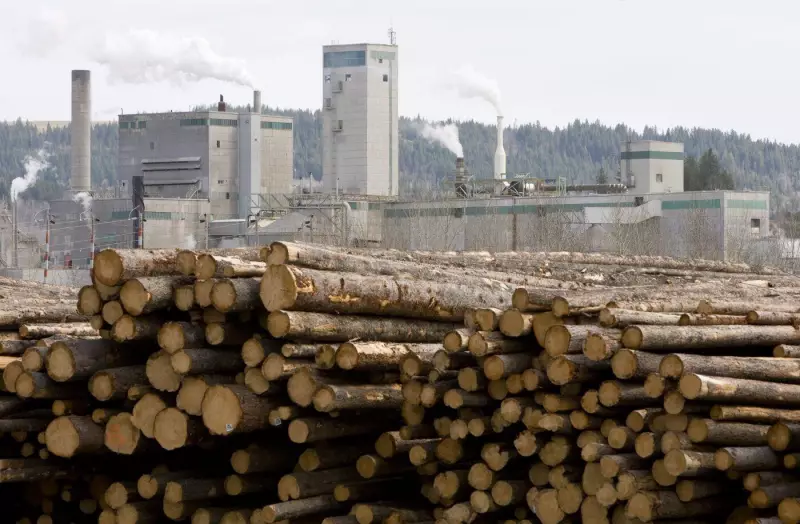
West Fraser, one of North America's largest producers of lumber, plywood, and other wood products, is no stranger to market cycles. Headquartered in Vancouver with major operations across British Columbia, Alberta, and the southern United States, the company is a bellwether for the health of the forestry industry. The photo referenced in the original report, showing logs piled at its Quesnel, B.C. mill in 2009, serves as a reminder of the sector's historical volatility.

While the specific economic drivers behind the charge were not detailed in the brief announcement, industry analysts point to factors like slowing housing markets, fluctuating commodity prices, and increased operational costs. Such a large impairment indicates a reassessment of asset values or inventory, aligning with a softer demand outlook.
Implications for the Sector and Investors
This substantial charge will undoubtedly impact West Fraser's full-year 2025 financial results, presenting a clear picture of the headwinds facing resource-based industries. For investors and market watchers, it signals a period of adjustment and potential caution. The move highlights how global and domestic economic shifts directly translate into real financial impacts for Canada's corporate leaders.
The news broke amidst a busy day for Canadian business reports, but the scale of West Fraser's announcement stands out for its direct reflection of economic strain on a foundational Canadian industry.