Alberta's 2026 Budget to Reveal Substantial Fiscal Shortfall
The Government of Alberta is preparing to introduce its 2026 budget, which is anticipated to forecast a multibillion-dollar deficit. This financial projection underscores the persistent economic challenges and fiscal pressures facing the province as it navigates a complex economic landscape.
Budget Details and Economic Context
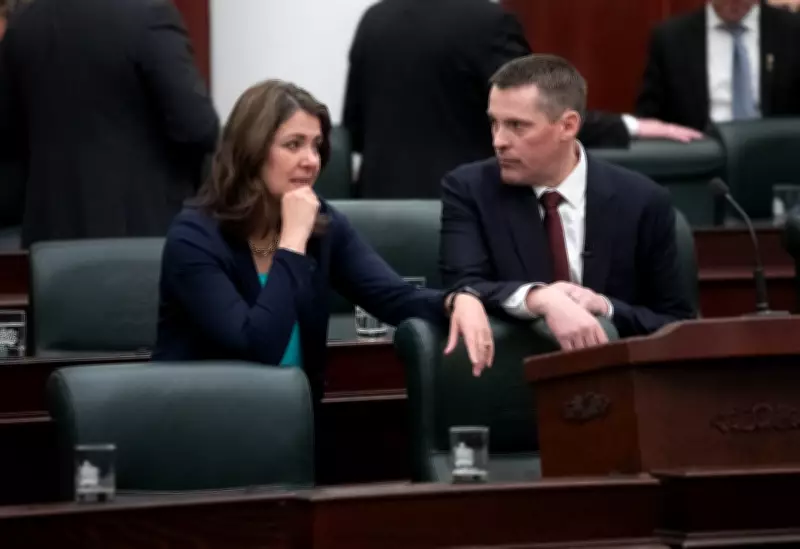
The budget, scheduled for tabling on Thursday afternoon, will outline the province's revenue expectations and expenditure plans for the upcoming fiscal year. Premier Danielle Smith and Finance Minister Nate Horner are expected to present the financial framework, which follows previous budgets that have grappled with fluctuating resource revenues and increased spending demands.
Alberta's economy, heavily reliant on the energy sector, has faced volatility due to global market shifts and environmental policies. This has contributed to revenue uncertainties that complicate budget planning. The projected deficit reflects these economic headwinds, as the government balances funding for essential services like healthcare and education with the need for fiscal restraint.

Implications for Provincial Finances
A multibillion-dollar deficit signals ongoing fiscal strain, potentially impacting Alberta's debt levels and credit ratings. Key factors influencing the deficit include:
- Lower-than-expected oil and gas revenues
- Rising costs in public services and infrastructure
- Economic slowdowns affecting tax collections
- Increased spending on social programs and climate initiatives
Finance Minister Horner has emphasized the government's commitment to responsible fiscal management, but the deficit highlights the difficulty in achieving balanced budgets amid economic uncertainties. Stakeholders, including businesses and residents, will be closely watching for details on potential tax changes or spending cuts.
Broader Economic and Political Considerations
The budget comes at a time when Alberta is also dealing with broader national issues, such as infrastructure challenges and healthcare funding. Comparisons to previous budgets, like the 2024 version delivered by Smith and Horner, may reveal trends in fiscal policy and priorities.
Political analysts note that large deficits can influence public opinion and election dynamics, making this budget a critical document for the provincial government's future. As Alberta tables its financial plan, it joins other provinces in grappling with post-pandemic recovery and long-term sustainability.
In summary, Alberta's 2026 budget is set to project a significant fiscal deficit, reflecting the economic realities and policy choices facing the province. The details will provide insight into how the government plans to manage finances while addressing the needs of Albertans in a challenging economic environment.