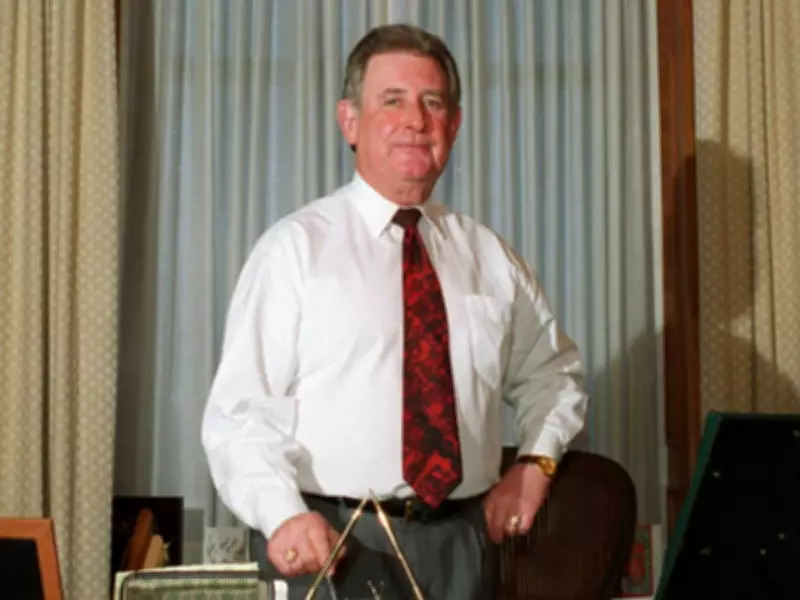
In the mid-1990s, former Alberta premier Ralph Klein initiated a series of dramatic tax and spending reductions that established the foundation for what became famously known as the "Alberta advantage." Facing a fiscal crisis triggered by collapsed oil prices and mounting deficits, Klein's Progressive Conservative government implemented austerity measures that included a 20 percent cut in government spending over two years, elimination of numerous public programs, and tens of thousands of civil service job losses.
The Klein Era Tax Structure
By 2001, Alberta had introduced its signature flat income tax rate of 10 percent applied equally to all earners, followed by a nearly five percent reduction in corporate taxes by 2006. These policies solidified Alberta's identity as a small-government jurisdiction, providing a competitive edge that emphasized business-friendly regulations and abundant natural resources. For years, this low-tax structure defined the province's economic philosophy and attracted investment.
Erosion of the Tax Advantage
More than thirty years after Klein's reforms, however, the Alberta tax advantage has substantially diminished. While the province remains Canada's lowest-tax jurisdiction due to its lack of a provincial sales tax and relatively lower corporate taxes, the gap with other provinces has narrowed considerably. Alberta abandoned its flat tax system in 2015, resulting in income taxes for many middle-class earners now being higher than in British Columbia or Ontario.

Compared to resource-rich U.S. states that have been actively cutting taxes, Alberta's income tax slide appears even more pronounced. Since the Klein years, the province has implemented multiple tax increases that have inflated everyday costs for residents.
Tax Increases and Policy Reversals
Insurance premium taxes, fuel taxes, and various other levies have all risen significantly, with fuel taxes alone increasing from nine cents per litre to thirteen cents. Property taxes have seen sharp hikes in each of the last two provincial budgets, marking another reversal of Klein-era policies that once prioritized tax reduction.
"Alberta still maintains a tax advantage, but the gap has significantly shrunk," observed Tegan Hill, director of Alberta policy at the Fraser Institute, who has closely analyzed this fiscal shift. The province's drift away from its previous austerity approach is equally visible in its weakened fiscal position and ever-increasing government spending.
Expanding Government Spending
On February 26, Alberta Premier Danielle Smith announced a substantial $9.4 billion budget deficit, driven primarily by a $6 billion surge in spending that the premier attributed to higher public service costs associated with rapid immigration. Additional factors contributing to the shortfall included lower-than-expected oil prices, though the premier noted that a spike in crude prices following the Iran war could potentially eliminate the projected deficit if sustained.
Alberta's spending relative to other provinces has expanded dramatically, particularly since 2015, which marked the beginning of the NDP government and subsequent COVID-19 emergency funding programs. In 2014, Alberta's total expenses as a percentage of GDP stood at 12.8 percent, representing 6.1 percent less than Ontario and 12.8 percent less than Quebec. By the 2026-27 budget, that spending had grown to 17.1 percent, shrinking the gap to just 1.3 percent less than Ontario and 8.5 percent less than Quebec.
Philosophical Shift in Governance
The province has effectively shed its small-government austerity approach in favor of larger taxes and more expansive spending. This represents a fundamental philosophical departure from the Klein era, when tax cuts and spending reductions were central to Alberta's economic identity. The transformation raises questions about whether Alberta can maintain its competitive edge as its tax advantages continue to erode.
The legacy of Ralph Klein's reforms now stands in stark contrast to contemporary fiscal policies, highlighting how economic philosophies can evolve over decades in response to changing circumstances and political priorities.