New data from Statistics Canada paints a sobering picture for government coffers, revealing that alcohol tax revenues have experienced their steepest decline in at least two decades. This trend coincides with a significant cultural shift among Canadians, who are increasingly embracing zero-proof drinks, mocktails, and sober lifestyles.
A Generational Shift Away from Alcohol
The statistics show a clear and persistent downward trajectory in alcohol consumption. Retail volumes have decreased for the fourth consecutive year, indicating a sustained move away from traditional boozy beverages. This shift is largely attributed to changing habits among younger generations, who are not consuming alcohol at the same rates as their parents or grandparents.
Federal and provincial governments earned $13.1 billion from retail alcohol sales in the fiscal year ending in March 2025. This represents a four per cent decrease, or roughly $570,000, from the previous year. This marks the most significant drop since Statistics Canada began collecting this data in the 2004-05 fiscal year.

Impact on Beer and Wine Sales
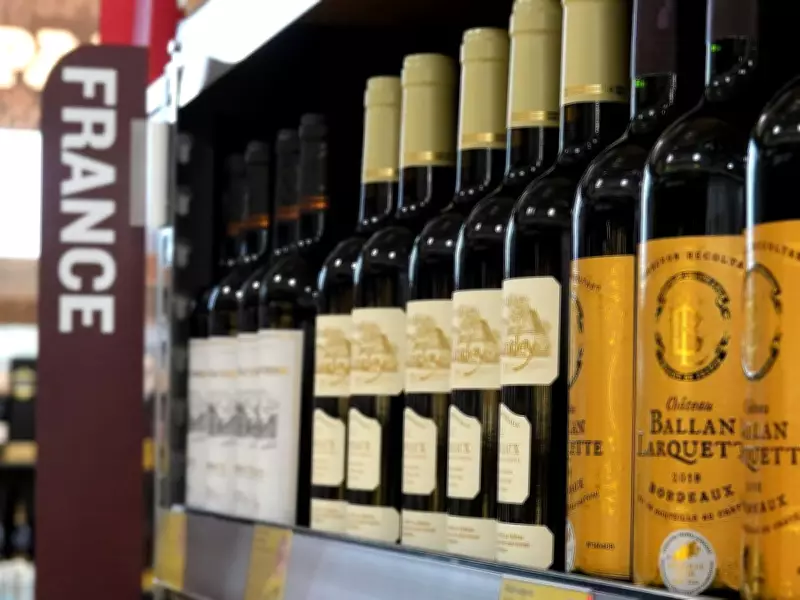
The decline has hit certain categories particularly hard. Beer sales have been consistently falling across the country, reflecting the broader trend of reduced alcohol intake. Similarly, wine sales have suffered, with imported wine revenue experiencing its first recorded decline, partly due to an ongoing trade dispute with the United States.
On average, Canadian adults now purchase the equivalent of eight drinks per week, a notable decrease from approximately ten drinks per week a decade ago. This reduction in consumption is forcing the alcohol industry to innovate and expand their non-alcoholic offerings to cater to evolving consumer preferences.
Retailers Feel the Pinch
Retailers are also facing financial challenges despite implementing price increases. Liquor authorities and other shop owners sold $25.8 billion worth of alcoholic beverages in the fiscal year ending in March 2025. This figure is down 1.6 per cent from the previous year, even though prices rose by a similar percentage, indicating that higher costs are not offsetting the drop in volume.
One Bright Spot: Canned Cocktails
Amid the widespread decline, one category stands out as an exception. Canned cocktails, which include ciders and coolers, represent the smallest segment of the alcohol market but are experiencing rising demand. Revenues for this category increased by close to five per cent, reaching $2.4 billion.
This growth highlights a niche area of opportunity within an otherwise struggling industry. Meanwhile, non-alcoholic beers have emerged as one of the fastest-growing categories, further underscoring the public's shifting preferences toward sober alternatives.
The data underscores a transformative period for both the alcohol industry and government revenue streams. As Canadians continue to prioritize health-conscious and sober lifestyles, the economic implications are becoming increasingly apparent, prompting adaptation from all stakeholders involved.