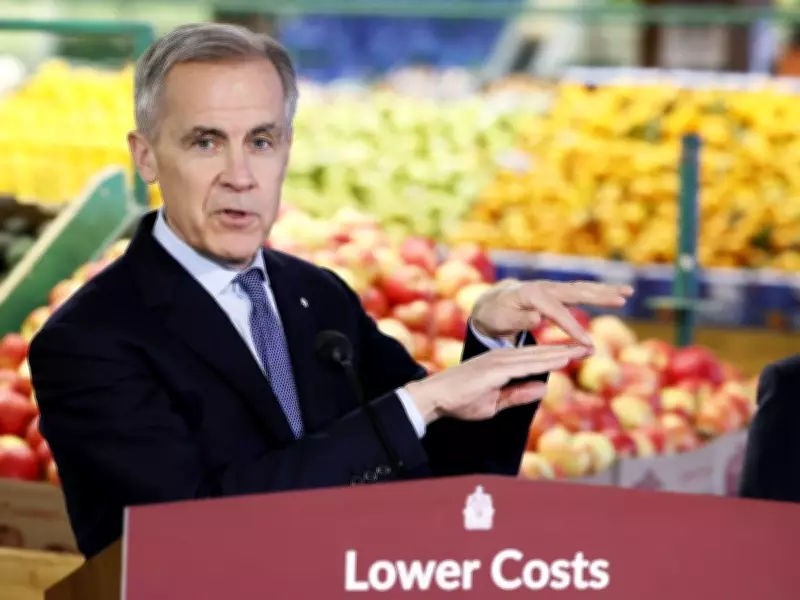
In the ongoing debate surrounding Canada's affordability challenges, a critical examination reveals that domestic policies and structural issues play a far more significant role than external factors like U.S. political actions. While former U.S. President Donald Trump's trade policies have drawn attention, they are not the primary drivers behind rising costs for Canadians in key areas such as food and housing.
Food Inflation: A Homegrown Problem
Recent data indicates that food prices in Canada have surged by over seven percent in the past year, a rate more than double that of the United States and approximately fifty percent higher than in Western Europe. This disparity cannot be attributed to Trump's tariff obsessions or trade wars. Instead, internal factors are largely to blame.
Regulatory and Competitive Barriers
Supply management systems for dairy, eggs, chicken, and turkey protect domestic producers from foreign competition, significantly inflating retail prices beyond what tariffs might cause. Additionally, overregulation in the agricultural sector hampers productivity and competitiveness, further driving up costs.

The industrial carbon tax, which remains in effect despite the consumer carbon tax ending last year, also contributes noticeably to food price increases. Combined with a lack of large-scale farms producing food at lower unit costs and limited competition among grocery stores, these elements create a perfect storm for high inflation.
Property Restrictions and Market Dynamics
A lesser-known factor exacerbating food costs is "property restrictions." Grocery store chains often include clauses in leases that prevent landlords from renting to competitors within a set radius, typically three kilometers. This restraint of competition reduces price pressures and keeps costs artificially high for consumers.
These domestic issues have positioned Canada with the highest food inflation in the G7, a situation unrelated to Trump, climate change, or seasonal weather patterns.
Housing Affordability: Complex Domestic Forces
The housing market presents a similar narrative. According to CIBC Economics, housing prices have fallen in some areas, such as Toronto condos, which saw a twenty-two percent year-over-year decline. However, affordability remains out of reach for many first-time homebuyers in numerous markets.
Developer Dilemmas and Market Traps
Developers acquired land when prices were higher, making it financially unfeasible to build homes that can only be sold at current lower prices. This creates a stalemate where both buyers and sellers are trapped, unable to move forward due to economic constraints.
Immigration Policy Impacts
Ottawa's decision to curb the previous government's open-door immigration policies and repatriate tens of thousands of visa holders has reduced housing demand, contributing to price declines. This policy shift underscores how domestic governance, rather than international influences, shapes affordability trends.
In summary, while Trump's actions may have global repercussions, Canada's affordability crisis in food and housing is predominantly fueled by homegrown factors. Addressing these issues requires a focus on regulatory reforms, competitive enhancements, and strategic policy adjustments within Canada's own borders.