Carney's Feel-Good Video Offers Little Relief for Canada's Economic Woes
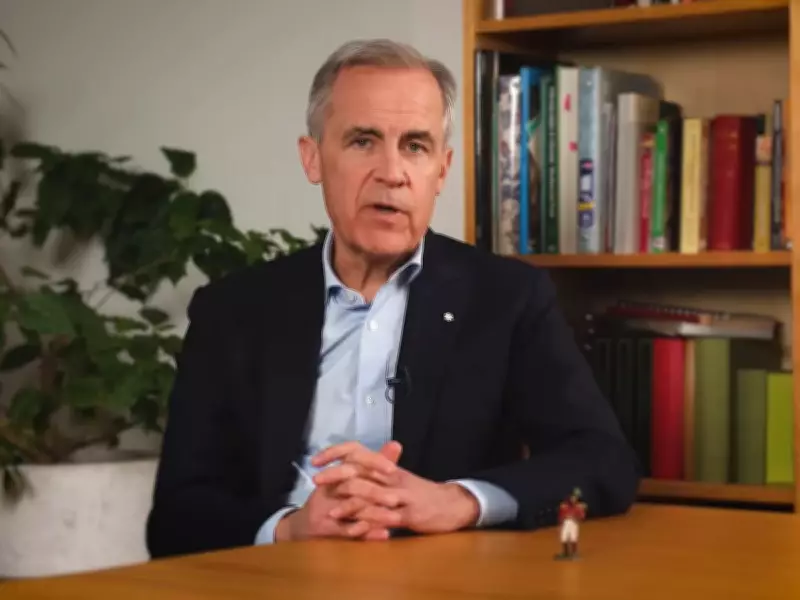
The timing of Prime Minister Mark Carney's recent "fireside chat" video release has raised eyebrows across Canada. Released on Sunday, April 19, 2026, the ten-minute YouTube presentation titled "Forward Guidance with Prime Minister Mark Carney" appeared just one day before concerning inflation numbers were set to be announced.
A Calculated Communication Strategy
Carney's video represents a very slick piece of political communication, carefully crafted to appear informal while delivering a calculated message. The prime minister positioned it as "forward guidance," echoing techniques he employed during his tenure as a bank governor to get ahead of bad news. Some observers have suggested it might equally be billed as a "pre-emptive strike" against negative economic indicators.
The video has been compared to historical communication efforts such as Franklin D. Roosevelt's "fireside chats" or Winston Churchill's radio addresses during wartime. However, critics question whether Carney's message will have similar lasting impact, noting that while Churchill's speeches were remembered decades later, Carney's video seems unlikely to achieve such historical significance.

Addressing Economic Anxieties
In the video, Carney made a clear attempt to confront and calm the anxieties Canadians are experiencing due to geopolitical turmoil beyond their borders. He promised not to sugarcoat challenges and outlined what his government is doing in response. The prime minister stated he would explain "what's working and what isn't"—though, as befitted a brazenly partisan political broadcast, there was very little self-reflection or acknowledgment of policy shortcomings.
Carney addressed the changing relationship with the United States, noting that "the U.S. has fundamentally changed its approach and many of our former strengths based on close ties to America have become our weaknesses." This acknowledgment comes at a critical time, with upcoming trade negotiations between the two nations creating what Carney described as "a pall of uncertainty" that is retrenching business investment and creating consumer paralysis.
The Stark Reality of Inflation
Any reassurance offered by Carney's video would likely evaporate upon examination of Statistics Canada's latest report on monthly average prices for selected food items. The numbers reveal a grim economic picture that Carney's optimistic messaging fails to adequately address:
- Cucumbers now cost $2.50 each
- Celery has jumped from $1.59 last October to $4.29 per unit
- A 340-gram bag of coffee that cost $5.36 just five years ago now sells for $9.51
- Milk, butter, eggs, apples, bananas, carrots, pasta, and coffee all cost more than ever before
These price increases represent more than statistics—they reflect the daily financial pressures facing Canadian families and the limitations of political messaging in addressing tangible economic hardship.
Mixed Reactions and Political Context
Former NDP leader Tom Mulcair praised Carney's communication effort, saying the prime minister had "pulled off something quite amazing." The video does appear to have succeeded in creating a sense that "someone, somewhere, is doing something" about economic challenges.
However, critics argue that the feel-good nature of the video represents "weak medicine" for Canada's "grave economic reality." The timing—coming just before concerning inflation data and ahead of crucial trade negotiations with the United States—adds to what Carney himself described as a "pall of uncertainty" that is restraining business investment and creating consumer paralysis.
Carney concluded his video by expressing confidence that the government's plan, combined with a nation of "tough, decent, caring people who grow stronger in adversity," will see Canada through current challenges. Yet as food prices continue to climb and economic uncertainty persists, many Canadians are left wondering whether reassuring words can substitute for substantive economic policy and relief from inflationary pressures.