Edmonton is weeks away from establishing a Dedicated Renewal Fund (DRF), following approval from the city's infrastructure committee. The fund mirrors existing renewal programs for neighbourhoods (2009) and alleyways (2018), which have been adopted by other municipalities. The DRF is designed to tackle a looming infrastructure deficit, with officials estimating $2.8 billion needed for repairs by 2030.
Why the DRF is Needed
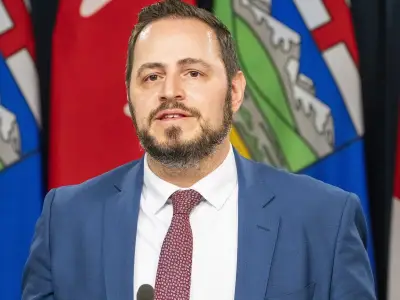
Between 2023 and 2026, unconstrained funding from other governments covered only 57.5 per cent of what was required for renewal. Mayor Andrew Knack questioned reliance on "inconsistent funding from other orders of government," emphasizing the need to "build in a funding program that allows us to maintain what we have." The fund targets repairs for assets ranging from swimming pools to arterial roads.
Funding Mechanism
Once the Financial Stabilization Reserve (FSR) and Pay as You Go (PAYGO) funds are replenished—expected by 2030—revenue will be redirected to the DRF. Knack compares this to household maintenance: "If you’re able to, the best thing is to set aside money for proper maintenance of everything in your home." Ratepayers will see a phased property tax increase: 0.5 per cent annually from 2027 to 2029, rising to 0.75 per cent from 2030 to 2032, and 1 per cent from 2033 until the DRF reaches its target. The goal is to address an annual renewal need of $2.7 billion by 2046.

Impact on Ratepayers
While property taxes will increase, Knack notes that the city could have built the fund more aggressively, as with the alleyway fund, but council opted for a gradual approach to avoid burdening ratepayers. If provincial or federal infrastructure funding increases, the program could accelerate. Under current projections, the DRF could start funding projects by 2029. Knack stresses that dedicated renewal means "proper life cycle maintenance," getting maximum value from tax dollars and replacing infrastructure at the appropriate time.