The Ripple Effect of Soaring Gas Prices on Canadian Life
As geopolitical tensions in the Middle East intensify, Canadians are feeling the direct impact at the pump, with gasoline prices climbing sharply. This surge is not just a fleeting inconvenience but a significant economic pressure point affecting household budgets, agricultural operations, and broader consumer spending patterns across the country.
Immediate Financial Strain on Consumers
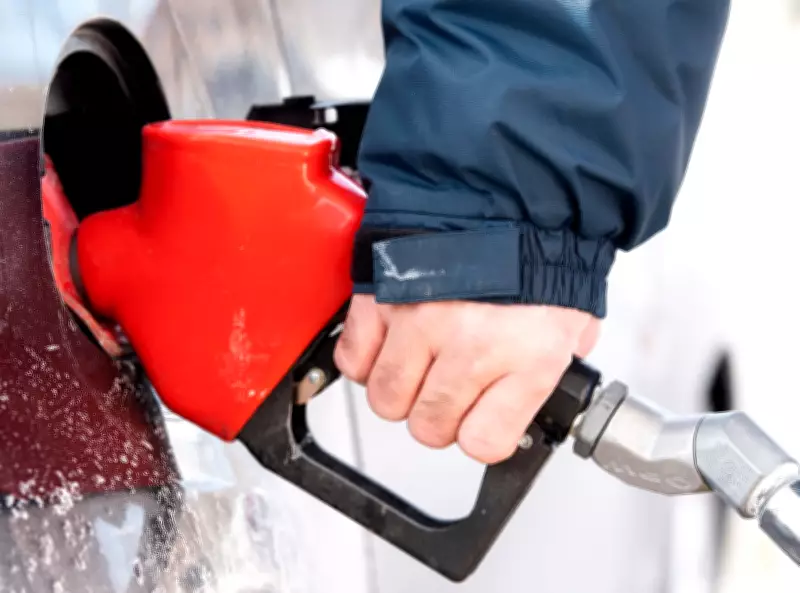
The rapid increase in fuel costs is placing an immediate burden on Canadian families. Higher prices at gas stations translate into more expensive commutes, increased transportation expenses for goods, and elevated costs for heating homes in many regions. For instance, Nova Scotia has adjusted gasoline prices three times in a single week, highlighting the volatility and financial uncertainty facing consumers. This unpredictability forces households to reallocate funds from other essential areas, such as groceries or savings, to cover rising fuel bills.
Broader Economic Consequences
Beyond the pump, the ripple effects of elevated gas prices are permeating various sectors of the Canadian economy. The agricultural industry is particularly vulnerable, as farming operations rely heavily on fuel for machinery and transportation. Experts warn that increased operational costs could lead to higher prices for groceries, exacerbating food inflation and straining household budgets further. Additionally, the transportation and logistics sectors are grappling with heightened expenses, which may result in increased costs for shipped goods and services nationwide.

Regional Variations and Responses
Different provinces are experiencing and responding to the gas price surge in unique ways. In Ontario, communities along the Grand River watershed have reported flooding, complicating transportation and potentially affecting local fuel distribution. Meanwhile, Saskatchewan's trade mission to India is seen as an important milestone for diversifying economic ties amid global instability. Municipal leaders, such as those in Vancouver, are calling for federal alignment on infrastructure projects like the Alto rail to mitigate long-term transportation costs and improve efficiency.
Long-Term Implications and Consumer Adaptation
As oil prices fluctuate dramatically—sometimes swinging from nearly $120 to below $90 per barrel—Canadians are forced to adapt to a new economic reality. The uncertainty surrounding the Middle East conflict means that gas prices may remain volatile, influencing everything from airfare surges to shifts in consumer behavior. Households are increasingly seeking ways to reduce fuel consumption, such as carpooling, using public transit, or investing in more fuel-efficient vehicles, though these options are not accessible to all.
Government and Policy Considerations
In response to the crisis, political discussions are intensifying. Opposition parties are demanding clarity from the federal government on its stance regarding the Middle East conflict, emphasizing the need for policies that protect Canadian interests without escalating involvement. The defence minister has stated that Canada will not participate in the war, focusing instead on diplomatic solutions. However, with former officials questioning current strategies, there is ongoing debate about how best to stabilize energy markets and support affected citizens through potential subsidies or tax relief measures.
Overall, the surge in gas prices serves as a stark reminder of how global events can directly impact everyday life in Canada, prompting a reevaluation of economic resilience and energy dependency in an increasingly interconnected world.