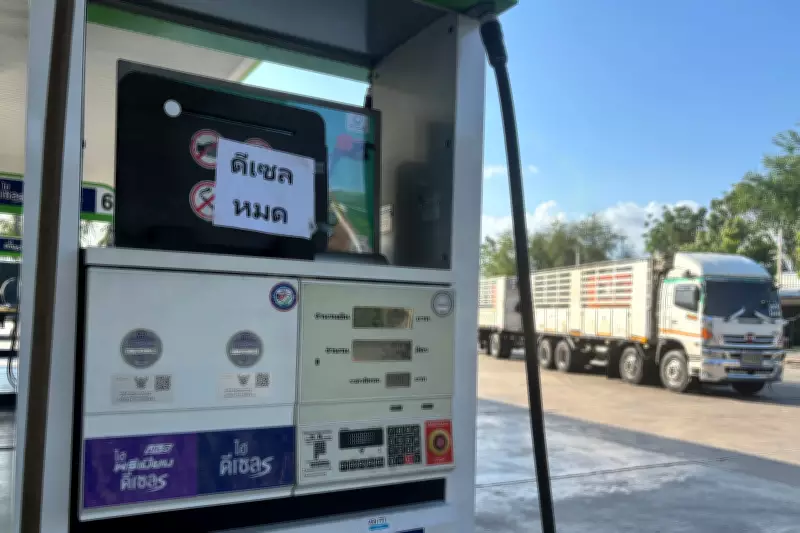
IMF Issues Stark Warning on Asia's Energy Vulnerability Amid Geopolitical Tensions
The International Monetary Fund has raised urgent concerns about Asia's susceptibility to a severe energy shock triggered by escalating geopolitical conflicts. In a recent assessment, the IMF highlighted that the region's heavy reliance on imported energy resources makes it particularly vulnerable to supply disruptions stemming from war-related instability.
Economic Stability at Risk from Energy Supply Disruptions
The IMF's analysis indicates that any significant interruption in energy flows due to military conflicts could have devastating consequences for Asian economies. Many countries in the region depend heavily on oil and gas imports to fuel their industrial sectors and maintain economic growth. A sudden energy shortage would likely trigger price spikes, inflation surges, and potential economic contraction across multiple nations.
The warning comes at a time of heightened global tensions that threaten to disrupt established energy trade routes and supply chains. The IMF specifically noted that conflicts in energy-producing regions could create ripple effects throughout Asia's interconnected economies, potentially undermining years of development progress.

Regional Preparedness and Mitigation Strategies
According to the IMF assessment, many Asian nations lack sufficient energy reserves and diversification strategies to withstand prolonged supply disruptions. The organization emphasized the need for:
- Increased investment in renewable energy infrastructure
- Development of strategic petroleum reserves
- Enhanced regional cooperation on energy security
- Diversification of energy import sources
- Accelerated transition to domestic energy production
The IMF's warning serves as a critical reminder that energy security must remain a top priority for policymakers across Asia. The organization suggested that governments should implement contingency plans and strengthen regional coordination mechanisms to better prepare for potential energy emergencies.
Broader Implications for Global Energy Markets
Beyond Asia's immediate concerns, the IMF noted that war-induced energy shocks could destabilize global markets, affecting prices and availability worldwide. The interconnected nature of modern energy markets means that disruptions in one region inevitably impact others, creating potential cascading effects throughout the global economy.
The IMF's assessment concludes that proactive measures taken now could significantly reduce Asia's vulnerability to future energy crises. The organization plans to work closely with regional governments to develop comprehensive energy security frameworks that balance economic growth with resilience against geopolitical uncertainties.