In a profound cultural shift, Argentines are turning away from their iconic beef due to relentless inflation gripping the nation. The economic crisis, extending into late 2025, has made the traditional asado, or barbecue, an increasingly unaffordable luxury for many families.
A National Tradition Under Economic Pressure
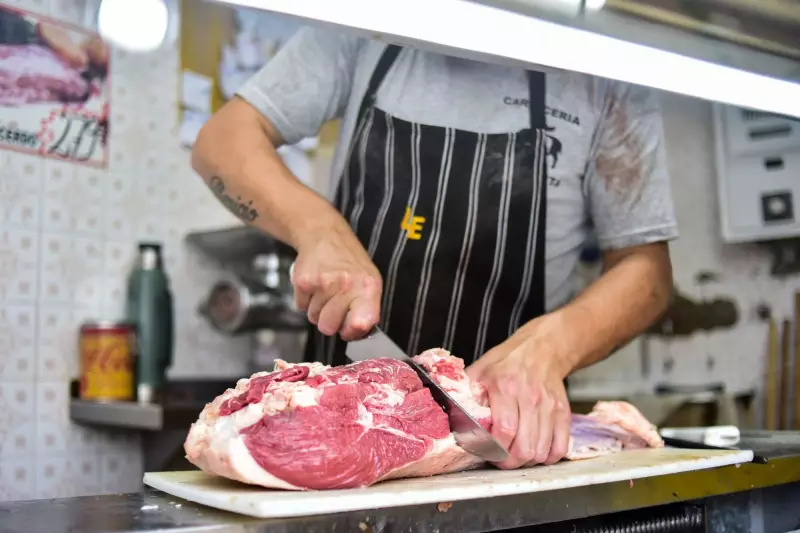
Argentina, famed for its parrillas (steakhouses) and some of the world's highest per-capita beef consumption, is witnessing a dramatic change in dietary habits. The photo of butcher Sebastian Soria cutting meat in the Villa Puyrredon area of Buenos Aires, taken in March 2020, now symbolizes a fading era. By December 2025, the soaring cost of living has forced a fundamental rethink of the dinner plate.
While specific percentage drops in consumption for 2025 are not detailed in the source report, the trend is clear and significant. The economic pressures have created a situation where staple proteins like beef are being replaced by cheaper alternatives such as chicken, pasta, and legumes.

The Ripple Effects of Inflation
The inflation crisis impacts the entire supply chain, from cattle ranchers to local butchers. As purchasing power evaporates, demand plummets, creating financial strain for businesses built around the country's beef culture. This is more than an economic indicator; it's a social shift touching the heart of Argentine identity and daily life.
The situation in Argentina stands in stark contrast to other global news from late December 2025, such as weather events in Eastern Canada, lottery wins in Alberta, or local crime reports across Canadian provinces. It highlights how global economic instability can directly alter centuries-old cultural practices.
Beyond the Grill: A Look at the Future
This decline in beef consumption raises questions about the long-term future of Argentina's agricultural sector and culinary heritage. Will this shift be temporary, or will it lead to a permanent change in the nation's eating habits? The answer largely depends on the government's ability to stabilize the economy and curb inflation.
For now, the image of a well-stocked butcher's shop, like La Tiernita where Sebastian Soria worked, represents a growing nostalgia. As 2025 closes, Argentines are navigating a difficult balance between economic survival and preserving their rich gastronomic traditions.