Inflation Expected to Jump in March as Iran Oil Shock Enters Price Data
Inflation is forecasted to experience a notable surge in March, with economic analysts pointing to the recent Iran oil shock as a primary driver behind the anticipated increase. This development comes as global oil market disruptions, stemming from geopolitical tensions involving Iran, begin to filter into consumer price data across Canada and other nations.
Impact of Rising Gas Prices
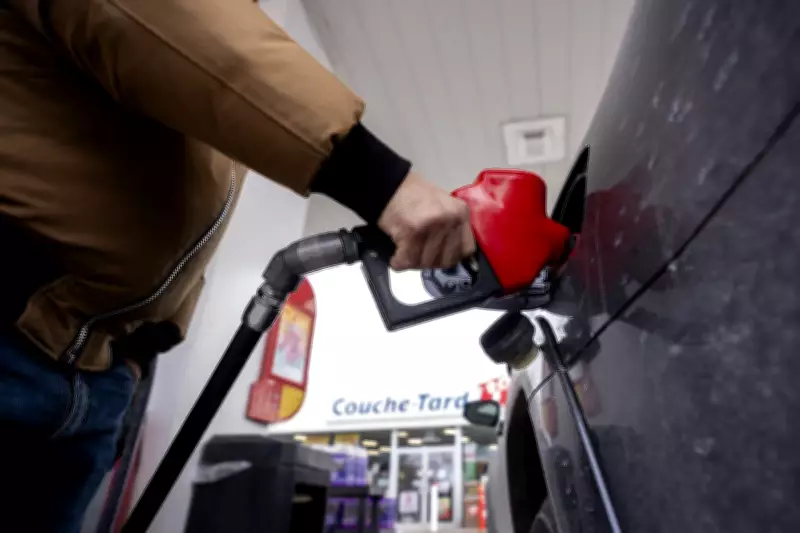
The ripple effects of the oil shock are most visibly felt at gas stations, where prices have climbed steadily in recent weeks. For instance, in Montreal, drivers have reported higher costs for filling up their vehicles, a trend that is expected to contribute significantly to the overall inflation rate. This uptick in fuel expenses not only affects individual consumers but also has broader implications for transportation and goods pricing throughout the economy.
Broader Economic Pressures
Beyond gas prices, the Iran oil shock is likely to exacerbate existing inflationary pressures, including supply chain disruptions and increased production costs. Economists warn that this could lead to higher prices for a range of goods and services, from groceries to utilities, putting additional strain on household budgets. The timing of this surge is particularly concerning as it aligns with ongoing economic uncertainties and potential policy responses from central banks.

Analyst Insights and Projections
Financial experts emphasize that the March inflation data will be closely watched for signs of how deeply the oil shock has penetrated the economy. Preliminary estimates suggest that the inflation rate could exceed previous forecasts, prompting discussions about potential measures to mitigate its impact. This situation underscores the interconnected nature of global events and domestic economic indicators, highlighting the need for adaptive strategies in both public and private sectors.
As consumers brace for higher costs, the long-term effects of this inflationary spike remain uncertain, with further developments in the oil market and geopolitical landscape likely to shape future trends.