The ongoing war in Iran is sending shockwaves through the Canadian economy, with households bracing for significantly higher costs at the gas pump and grocery store. As the conflict disrupts critical global oil supplies, analysts warn that the ripple effects could extend far beyond energy, impacting everything from food production to pharmaceutical availability.
Gas Prices Surge Toward $2 Per Litre
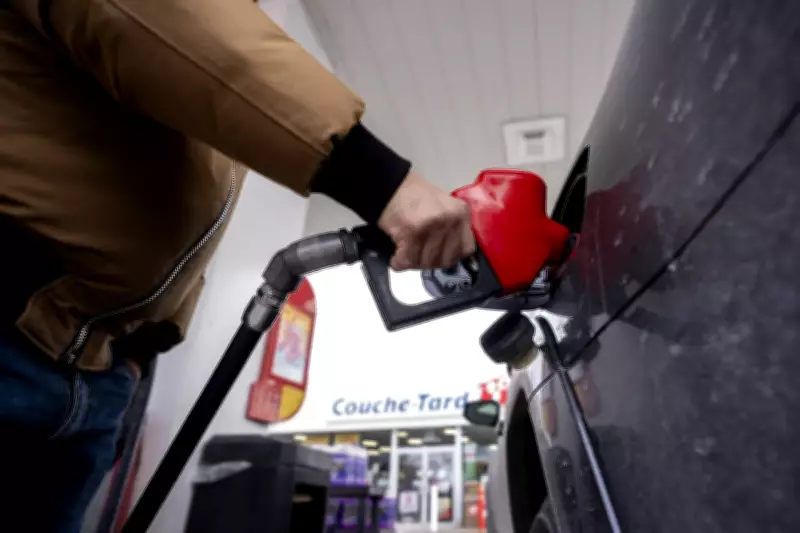
One of the most immediate and visible impacts is the sharp rise in fuel costs. Reports indicate that gas prices in cities like Ottawa could hit $2 per litre in the coming weeks, a threshold that would place immense financial pressure on commuters and businesses alike. This surge is directly linked to the war's disruption of oil exports from Iran, a major producer, creating supply shortages and market volatility.
Broader Economic Threats Emerge
Beyond the pump, the conflict poses serious risks to other essential sectors. Fertilizer shipments, crucial for agriculture, face potential delays or stoppages, which could drive up food production costs and lead to higher grocery bills for Canadians. Similarly, pharmaceutical supply chains are under threat, raising concerns about medication availability and affordability.

Prime Minister Carney has acknowledged the strain, responding to public anxiety over the nearly $2 per litre gas prices. Meanwhile, the International Energy Agency chief has described the current oil and gas crisis as worse than the combined shocks of 1973, 1979, and 2022, highlighting the severity of the situation.
Canadian Context and Additional Pressures
This international crisis compounds existing domestic challenges. For instance, the Toronto District School Board has announced nearly 300 teaching job cuts, though this is fewer than the 600+ initially suggested by unions. Other local issues, such as Metro Vancouver's impending watering restrictions due to low snowpack and a federal $412.9 million renewal of the Pacific Salmon Initiative, continue to demand attention.
However, the war's economic fallout is dominating national discourse. Analysts note that increased NATO spending and the Iran conflict may open opportunities for investors in defense and energy sectors, but for the average Canadian, the focus remains on managing daily expenses.
Looking Ahead
As the war drags on, Canadians are urged to prepare for prolonged inflationary pressures. Experts recommend budgeting for higher transportation and food costs, while policymakers monitor global developments closely. The situation underscores how geopolitical events far from Canada's borders can have direct and tangible effects on household finances, making economic resilience more critical than ever.