In a significant development reflecting regional economic dynamics, Iranian citizens are increasingly crossing into northern Iraq to take advantage of more affordable goods and services after the recent reopening of a key border crossing. The Haji Omeran crossing between Iran and the autonomous Kurdistan Region of Iraq (KRI) has seen a steady flow of travelers, primarily Iranian Kurds, seeking relief from high domestic prices and limited opportunities.
Economic Pressures Drive Cross-Border Movement
The movement underscores the stark economic disparities between the two neighboring regions. Many Iranians report that basic necessities such as food items are substantially cheaper in Iraqi Kurdistan, making regular shopping trips financially worthwhile despite the journey. Additionally, access to more reliable and affordable internet services in Iraq has become a significant draw for Iranians facing connectivity issues and high costs at home.
Seeking Employment Across the Border
Beyond consumer goods, the reopened border has facilitated labor migration, with Iranians seeking temporary or seasonal work in northern Iraq. The Kurdistan Region's relatively more stable economy compared to parts of Iran has created job opportunities in sectors like construction, services, and trade. This cross-border employment provides crucial income for families grappling with Iran's challenging economic conditions, including inflation and unemployment.

Historical and Cultural Ties Facilitate Movement
The movement is eased by historical, ethnic, and cultural connections between Iranian Kurds and the Kurdish population in northern Iraq. Shared language and familial ties across the border make such migrations more feasible and less daunting for many travelers. The Haji Omeran crossing, a vital link between the Kurdish regions of Iran and Iraq, has historically served as a conduit for trade and people, with its reopening restoring a traditional route after periods of closure due to political or security concerns.
Regional Implications and Observations
Local observers note that the influx of Iranians is having a noticeable impact on border towns in Iraqi Kurdistan, where markets are adapting to increased demand. While beneficial for local Iraqi businesses, the situation also highlights the economic strains within Iran that are pushing citizens to seek alternatives abroad. The phenomenon illustrates how border policies directly affect everyday lives, enabling cross-border strategies for coping with economic hardship.
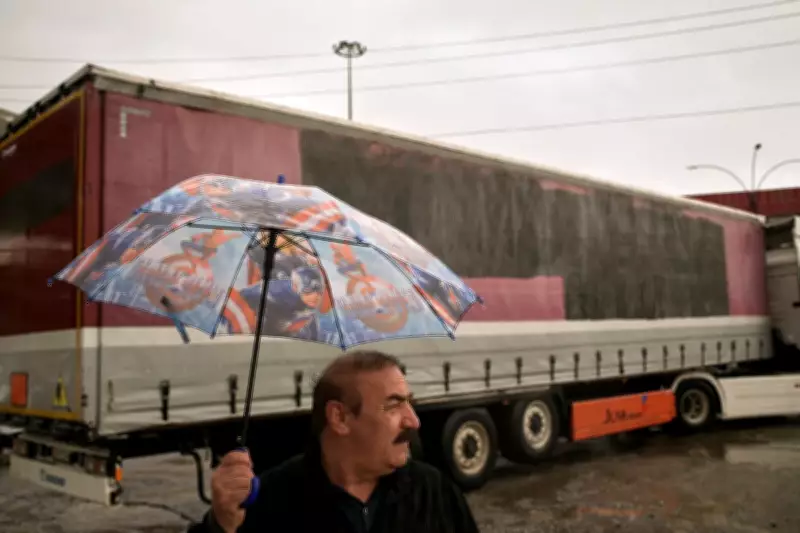
As one Iranian Kurdish traveler, Korban Ali, was photographed at the Haji Omeran crossing on March 15, 2026, his presence symbolized the broader trend of individuals navigating geopolitical boundaries for better livelihoods. This movement is expected to continue as long as significant price differentials and employment gaps persist between the two regions, making the reopened border a lifeline for many Iranian families.