Ireland Announces Fuel Cost Relief Package After Widespread Protests
The Irish government has unveiled a comprehensive support package aimed at alleviating the burden of escalating fuel costs, following a week of intense public demonstrations and blockades across the nation. Finance Minister Simon Harris detailed the measures at a press briefing on Sunday, emphasizing the administration's responsiveness to growing economic pressures.
Immediate Tax Reductions and Postponed Carbon Levy
Key components of the relief package include a significant reduction in excise duties on petrol and diesel, set to take effect immediately. Specifically, the government will implement a 10 euro-cent per litre cut for both fuels, alongside a 2.4-cent per litre reduction on marked gas oil, commonly known as green diesel, starting at midnight on Wednesday.
In a strategic move, officials have decided to postpone a planned increase in the carbon tax from its original May timeline to October, aligning it with the upcoming Budget announcement. This delay aims to provide temporary respite for consumers and businesses grappling with soaring energy expenses.

Additional Financial Support for Key Sectors
The new measures build upon an existing €250 million assistance package previously approved by the government. Enhancements include raising the maximum diesel rebate available to haulers and transport operators, introducing a direct payment scheme for road transporters, and establishing a fuel subsidy program tailored for farmers, agricultural contractors, and fisheries.
"As a government, we hear you. We have acted and we are taking further action today," Harris stated, referencing discussions held during a cabinet meeting convened to address the escalating protest situation. The government is currently engaging with the European Commission to secure necessary approvals for the excise duty adjustments.
Protests Triggered by Fuel Price Surge
The decision comes in response to severe fuel price increases that have sparked widespread resentment throughout Ireland, particularly impacting the agricultural and haulage sectors, which are vital to the national economy. The price surge, largely attributed to geopolitical tensions in the Middle East following the outbreak of conflict involving Iran in late February, has led to acute shortages at many gas stations.
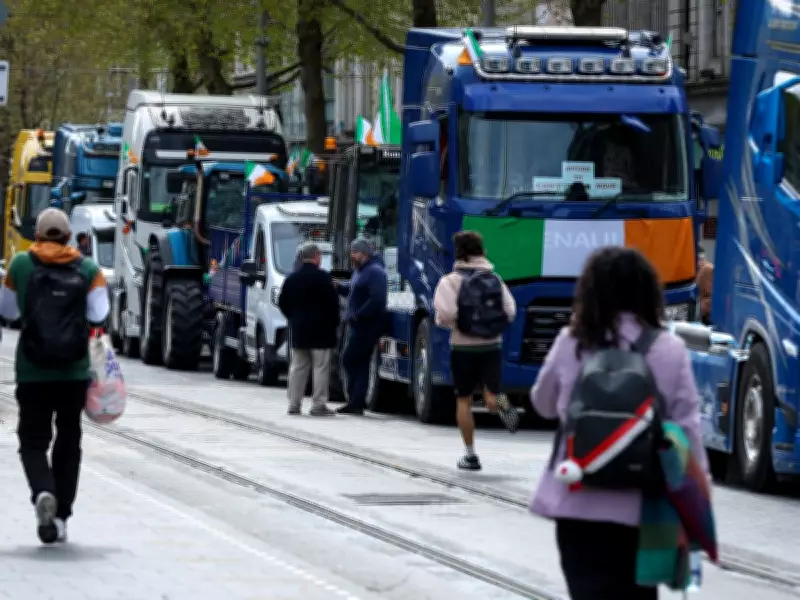
Over the past week, protests involving trucks and tractors blocking key roadways brought traffic to a standstill in Dublin and other major cities like Cork and Galway. These demonstrations exacerbated existing fuel supply disruptions, prompting emergency services to report significant operational challenges.
Law Enforcement Response and Clearance Operations
Garda Commissioner Justin Kelly highlighted the strain on public services, noting that police had to deploy public order units to ensure hospitals remained functional and emergency responses were unimpeded. "No self-appointed group has the right to prevent emergency services from operating normally," Prime Minister Micheal Martin asserted, warning that continued blockades would "face the full rigour of the law."
In recent operations, authorities cleared demonstrators from Dublin's O'Connell Street and the busy M50 motorway, with defence forces assisting police in dismantling a blockade at the Whitegate Refinery in Cork. Local media reported clashes between protesters and law enforcement during these interventions.
The government's relief package represents a direct attempt to mitigate economic hardship and restore stability, as Ireland navigates the complex interplay of global energy markets and domestic social unrest.