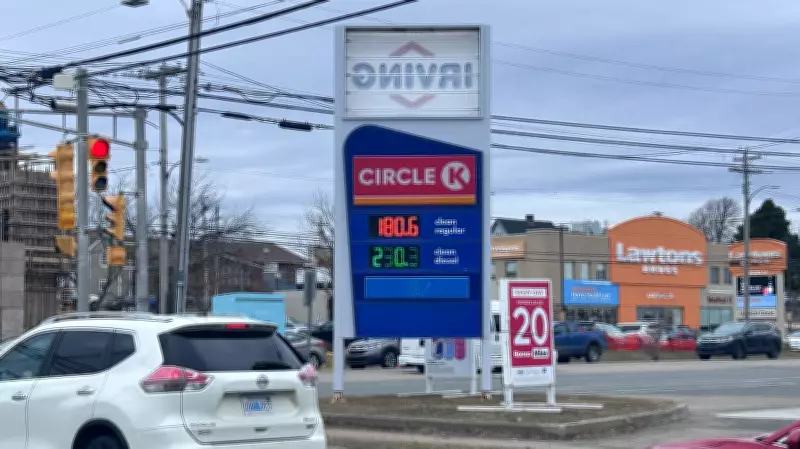
Maritime Non-Profits Grapple with Escalating Gas Prices
Non-profit organizations throughout the Maritime provinces are experiencing significant financial pressures as gas prices continue to rise, threatening their operational capabilities and community outreach efforts. This surge in fuel costs is forcing many groups to reassess budgets and reduce services, highlighting a growing crisis in the sector.
Financial Strain on Essential Services
The increasing cost of gasoline is directly impacting non-profits that rely on transportation for their daily activities. Many organizations, which provide critical support such as food delivery, healthcare access, and emergency assistance, are now struggling to cover fuel expenses. This has led to cutbacks in programs and staff hours, exacerbating the challenges faced by vulnerable populations.
In Nova Scotia, for instance, community-based groups report that fuel costs have doubled over the past year, eating into already tight budgets. This financial burden is not isolated to one region; similar issues are emerging across New Brunswick and Prince Edward Island, where non-profits play a vital role in local economies.

Broader Implications for Community Support
The ripple effects of high gas prices extend beyond immediate financial concerns. Non-profits are often the backbone of rural and remote communities, offering services that government agencies may not fully cover. With reduced mobility due to cost constraints, these organizations risk leaving underserved areas without necessary aid.
Experts warn that if gas prices remain elevated, the sustainability of many non-profits could be at risk, potentially leading to closures or mergers. This could result in a loss of specialized services and increased reliance on overstretched public systems.
Potential Solutions and Adaptation Strategies
In response to these challenges, some non-profits are exploring alternative strategies to mitigate the impact of gas prices:
- Implementing more efficient route planning for deliveries and services.
- Investing in fuel-efficient or electric vehicles where possible.
- Seeking additional funding or grants specifically for transportation costs.
- Collaborating with other organizations to share resources and reduce travel.
However, these measures require upfront investments that many cash-strapped groups cannot afford, underscoring the need for external support from governments or private donors.
The situation calls for urgent attention from policymakers and community leaders to ensure that non-profits can continue their essential work without being crippled by fluctuating fuel costs.