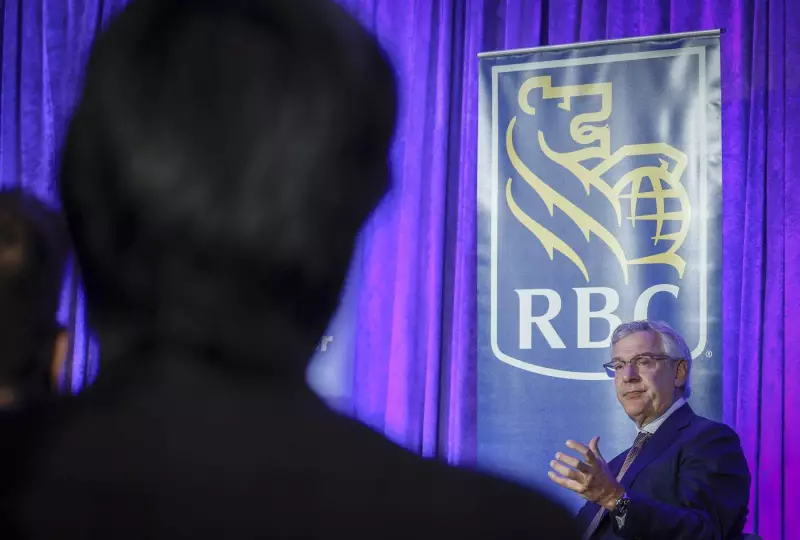
In a notable economic observation, Royal Bank of Canada President and CEO Dave McKay has highlighted a significant shift in Canadian spending patterns, directly linked to the cooling housing market. Speaking on January 6, 2026, McKay pointed out that the slower pace of home buying is redirecting disposable income towards other areas of the economy.
The Housing Market's Cooling Effect
The slowdown in residential real estate activity is creating a ripple effect across the broader economy. McKay's analysis suggests that as potential homebuyers face higher borrowing costs and market uncertainty, they are opting to postpone major purchases. This hesitation, while dampening the housing sector, is not leading to a hoarding of cash. Instead, funds that might have been earmarked for down payments, new furniture, or renovations are being deployed elsewhere.
Where is the Money Going?
According to McKay's assessment, this freed-up income is providing a noticeable boost to several consumer-facing industries. Canadians are increasingly allocating their resources towards experiences and discretionary goods. Key beneficiaries include the travel and tourism sector, as people spend more on vacations and dining out. Retail sectors outside of home improvement are also seeing sustained or increased activity, as disposable income finds new outlets.

This trend indicates a fundamental change in consumer behaviour, where spending is decoupling from the traditional engine of real estate and its associated purchases. The shift underscores a more diversified consumer economy, even as it highlights the ongoing challenges within the housing market itself.
Broader Economic Implications
McKay's comments, made in early 2026, provide a crucial snapshot of a Canadian economy in transition. While a cooler housing market can pose risks to construction and related industries, the concurrent rise in spending on services and other goods helps to balance economic growth. This dynamic is critical for policymakers and businesses as they plan for the future.
The observation underscores the resilience of Canadian consumer spending, even when one major traditional driver slows down. It suggests that household budgets are adapting to new financial realities, finding alternative ways to stimulate economic activity. For economists, this pattern will be essential to monitor as it reveals how deeply housing market fluctuations are intertwined with overall national consumption and economic health.